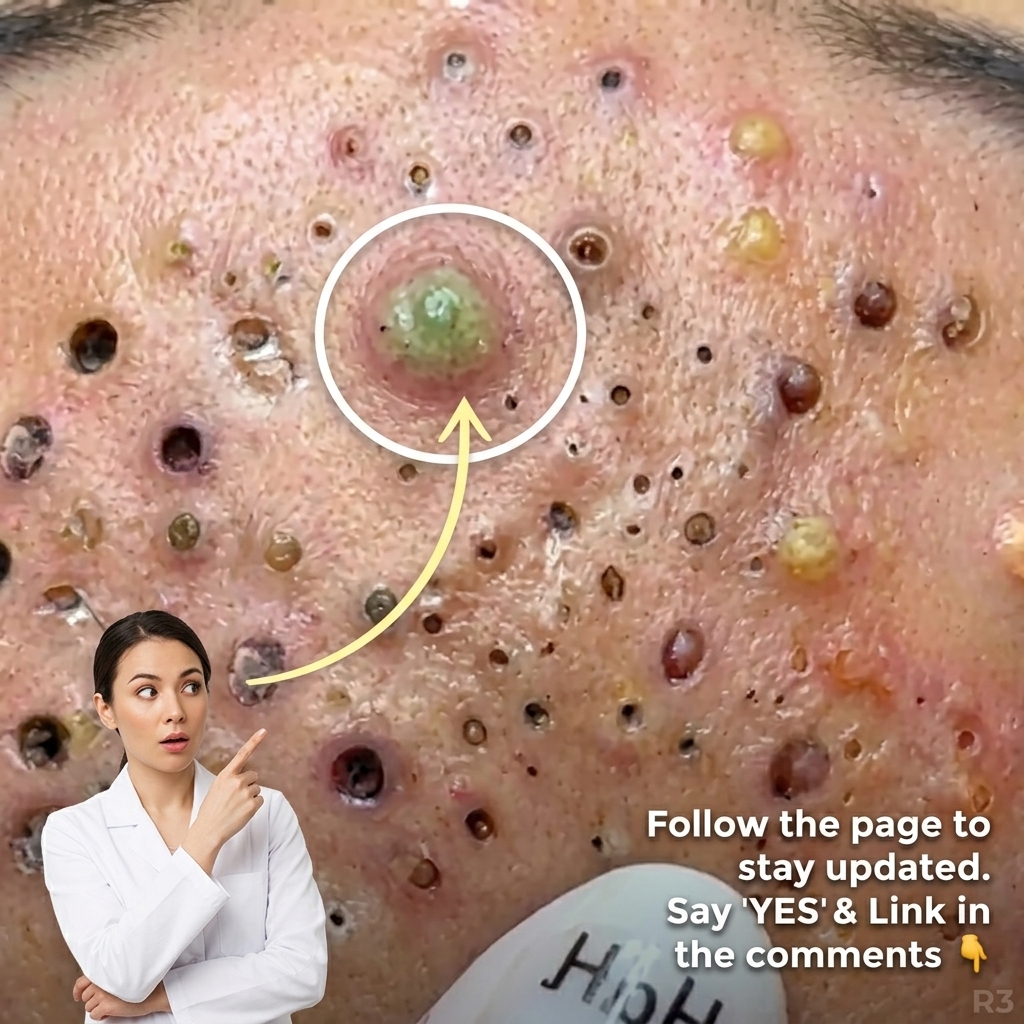
When the human body experiences psychological or physiological stress, it releases systemic hormones such as cortisol and corticotropin-releasing hormone. Research suggests that these stress hormones do not merely circulate internally; they directly bind to receptors located within cutaneous sebaceous glands. This biological interaction often leads to elevated sebum production and changes in lipid composition, transforming normally protective surface oils into a thicker, more viscous substance. As excess sebum accumulates within hair follicles, it creates an optimal microenvironment for cellular congestion. The combination of heightened stress signaling and altered lipid secretion can rapidly disrupt the natural equilibrium of the skin. Consequently, understanding how systemic stress responses translate into localized follicular changes provides essential insight into managing complex dermatological manifestations like acne breakouts effectively.
The downstream effects of stress-induced hormone release extend beyond simple oil production, significantly influencing the epidermal renewal process. Under the influence of elevated cortisol and inflammatory cytokines, the shedding of dead skin cells becomes irregular, a phenomenon known as hyperkeratinization. When dead corneocytes fail to desquamate properly, they mix with abundant sebum to form sticky plugs inside open pores. This cellular buildup gives rise to non-inflammatory lesions such as closed comedones, commonly referred to as whiteheads, and open comedones, or blackheads. As clogged pores become increasingly obstructed, oxygen levels within the follicle decline, favoring the proliferation of anaerobic microbes. This chain reaction demonstrates how internal hormonal stress pathways actively accelerate the structural conditions required for persistent skin congestion, turning subtle biological shifts into visible facial blemishes.
Beyond structural blockages, stress hormones are known to compromise the structural integrity of the skin barrier while triggering localized inflammation. Elevated stress levels can impair lipid synthesis within the stratum corneum, leading to heightened transepidermal water loss and increased sensitivity. Simultaneously, stress-induced pathways activate inflammatory mediators that cause surrounding tissue to become swollen, tender, and erythematous. This combination of an impaired moisture barrier and hyperactive sebum production often results in paradoxically oily skin that remains prone to dehydration and irritation. As the cutaneous microbiome shifts in response to altered microenvironments, benign surface bacteria can trigger stronger inflammatory cascades. Consequently, individuals experiencing chronic stress frequently observe that their acne manifests not just as minor surface bumps, but as deeper, inflamed lesions that require delicate handling.
Addressing stress-related cutaneous changes requires a thoughtful skincare strategy, particularly regarding how topical active ingredients interact with sensitive, inflamed tissue. For instance, lipophilic beta-hydroxy acids like salicylic acid excel at penetrating deep into clogged pores to dissolve lipid debris and support sebum regulation. However, because stress-compromised skin often exhibits a fragile barrier, pairing strong exfoliants with anti-inflammatory molecules like niacinamide is frequently recommended in dermatological literature. Niacinamide interacts synergistically with lipid-modulating compounds by calming systemic redness, supporting ceramide synthesis, and mitigating potential irritation from exfoliating acids. Additionally, incorporating soothing calming agents like green tea extract or lightweight hydration helps restore moisture balance without congesting delicate pores. Evaluating how different functional ingredients interact ensures that the skin barrier is protected while target issues are addressed.
Long-term management of stress-associated skin issues relies on maintaining biological equilibrium through consistent, gentle skincare regimens alongside routine stress-reduction practices. In professional dermatological settings, long-term strategies often emphasize ingredients that regulate cellular turnover and strengthen tissue resilience over time. Topical retinoids are frequently discussed in this context because they work at a cellular level to normalize keratinization and prevent future pore blockages before they start. When retinoids are combined thoughtfully with barrier-supportive ingredients, such as hyaluronic acid and soothing botanical complexes, the skin becomes better equipped to withstand hormonal fluctuations. By prioritizing harmonious ingredient interactions and avoiding overly aggressive treatments, individuals can successfully mitigate the visible impacts of stress on acne, fostering a calmer, clearer, and more balanced skin environment over time.
Related acne topics
- Understanding How Puberty Influences Long-Term Acne Dynamics and Skin Biology
- Understanding the Biological Link Between Excess Oil and Enlarged Pores
Health information notice: This article is for general informational and educational purposes only. It is not medical advice and does not replace consultation with a licensed dermatologist or healthcare provider.
This article was generated with AI assistance and has not been individually reviewed by a medical professional. View the accompanying YouTube video.
