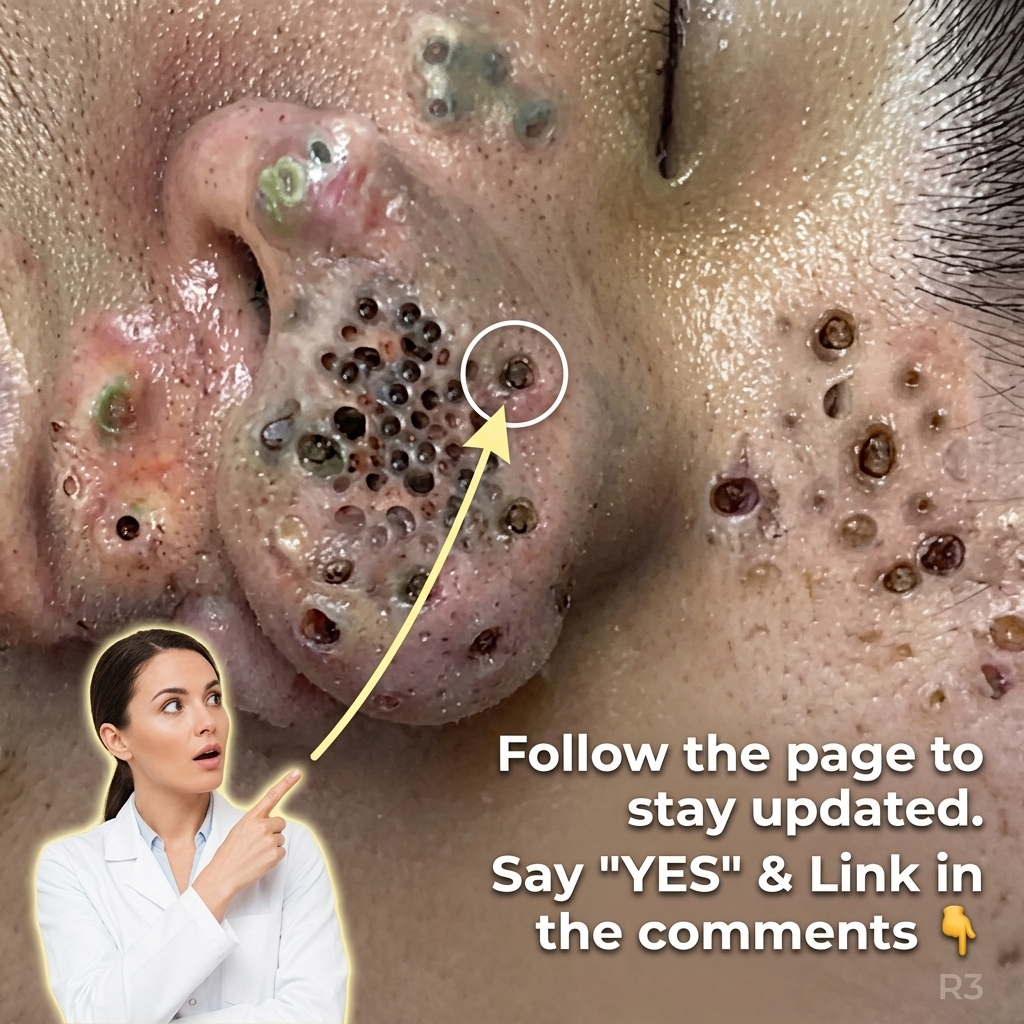
The relationship between excess oil production and the appearance of enlarged pores is rooted in the physiological structure of the pilosebaceous unit. Within each pore sits a sebaceous gland responsible for synthesizing sebum, a lipid-rich substance that maintains hydration and protects the skin barrier. When sebaceous glands become hyperactive—often driven by systemic hormonal fluctuations or genetics—they produce an abundance of sebum that flows toward the skin surface. As this surplus oil mixes with shedding skin cells, it exerts continuous mechanical pressure against the internal walls of the pore lining. Over time, this constant outward strain can stretch the follicular opening, causing visible pores to expand in diameter. Furthermore, when excess oil pools on oily skin, light reflects differently off the surface, making enlarged pores appear significantly more prominent and textured.
Beyond high sebum production, altered cellular turnover—a process known as abnormal desquamation or follicular hyperkeratinization—further amplifies pore expansion. Under normal circumstances, dead corneocytes slough off smoothly into the pore channel and are washed away by regular cleansing. However, when hyperkeratinization coincides with elevated oil levels, dead cells stick together within the pore opening, forming microcomedones. These structural plugs prevent sebum from draining freely, leading directly to clogged pores. When this mixture of sebum and cellular debris remains trapped below an intact layer of surface cells, a closed comedone, commonly called a whitehead, forms. If the top of the plug expands toward the surface and contacts atmospheric oxygen, lipid oxidation occurs, resulting in open comedones or blackheads that physically distend the pore architecture.
The physical expansion of pores is not solely a surface-level phenomenon; it is deeply influenced by underlying dermal dynamics and localized inflammation. Sustained accumulation of sebum within the pore channel creates an anaerobic environment ideal for the proliferation of Cutibacterium acnes, a key bacterium within the cutaneous microbiome. This microbial activity can trigger localized inflammatory cascades, releasing enzymes and reactive oxygen species that subtly degrade the surrounding extracellular matrix. Over time, recurring mild inflammation damages the structural collagen and elastin fibers that provide essential mechanical support around the follicular orifice. As skin loses its natural elasticity, the supportive scaffolding weakens, preventing the pore walls from snapping back to their resting size and rendering the enlarged pores permanent in appearance without targeted care.
Addressing the structural appearance of enlarged pores requires a comprehensive approach targeting both sebum regulation and cellular turnover. Topical ingredients such as beta-hydroxy acids, particularly salicylic acid, are lipid-soluble compounds capable of penetrating deep into oil-filled follicular channels to dissolve trapped debris and clear clogged pores. Concurrently, topical retinoids play a crucial role in normalizing keratinization and promoting efficient cellular exfoliation, which is why ingredients like retinoids are often discussed in the context of long-term acne management. Ingredients like niacinamide are also frequently highlighted in dermatological literature for their ability to support sebum regulation and strengthen the skin barrier. Gentle professional treatments and soothing facial regimens can complement these daily topical agents by temporarily reducing surface congestion and calming mild irritation.
Long-term management of enlarged pores relies on consistent, protective skin hygiene rather than aggressive physical extractions that risk damaging delicate tissue structures. Prolonged exposure to ultraviolet radiation further degrades collagen and elastin, compounding pore laxity and exacerbating texture issues on oily skin. Consequently, daily application of broad-spectrum sunscreen is essential for preserving the dermal framework that keeps pore borders tight and resilient. Maintaining balanced skin hydration is equally critical, as stripping the skin with harsh cleansing agents can paradoxically trigger a compensatory surge in oil production, escalating the risk of blackheads and inflammatory acne. Consulting a qualified skincare specialist or dermatologist can help individuals establish balanced, evidence-based routines that refine pore appearance while protecting long-term skin health.
Related acne topics
- How Dead Skin Cells Interact with the Follicular System to Cause Pore Congestion
- Understanding the Biological Mechanisms Behind Oily Skin and Breakouts
Health information notice: This article is for general informational and educational purposes only. It is not medical advice and does not replace consultation with a licensed dermatologist or healthcare provider.
This article was generated with AI assistance and has not been individually reviewed by a medical professional. View the accompanying YouTube video.
