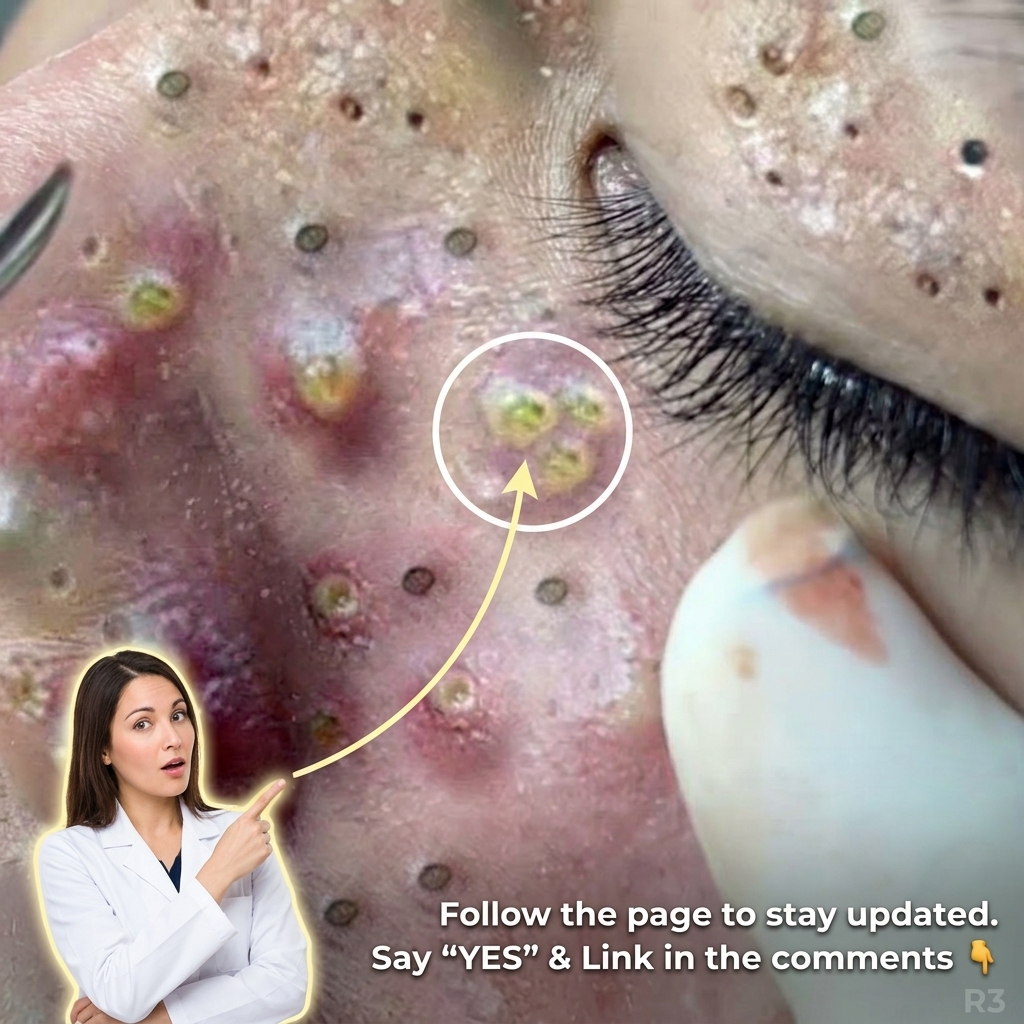
Genetics play a foundational role in determining an individual's skin structural characteristics, cellular turnover rate, and glandular activity. Research indicates that inherited biological traits directly influence the size and activity of sebaceous glands, which produce the natural lipids necessary for skin hydration. When a person possesses a genetic predisposition for hyperactive sebaceous glands, the excessive accumulation of sebum can combine with shed skin cells within the hair follicle. This process, known as abnormal keratinization, often leads to clogged pores that manifest as non-inflammatory lesions such as blackheads and whiteheads. Furthermore, inherited pore morphology can affect how efficiently cellular debris is cleared from the follicular canal. Understanding these genetically driven mechanisms allows individuals to better comprehend why oily skin and persistent congestion frequently run in families, setting the stage for targeted management strategies that address root cellular behaviors.
Beyond oil production and cellular turnover, genetic variations heavily dictate the cutaneous immune response to normal follicular inhabitants like Cutibacterium acnes. In individuals with a hereditary tendency toward heightened inflammatory reactivity, the immune system responds more aggressively to the presence of bacterial metabolic byproducts within congested pores. This hyper-inflammatory response can break down the follicular wall, transforming simple comedones into tender, red papules, pustules, or deeper nodular lesions. Additionally, genetic factors can alter the natural lipid composition of the skin barrier, impairing its resilience and increasing susceptibility to irritation. When the skin barrier is compromised, the cutaneous microbiome can experience disruptions, further perpetuating localized inflammation and rendering the acne more severe and resistant to standard care. Recognizing these inflammatory pathways helps guide a more systematic approach to dermatological evaluation and structured care routines.
The visible manifestations of genetically influenced acne can vary significantly from mild, superficial congestion to severe inflammatory breakouts that cover larger surface areas of the face and body. Individuals inheriting a tendency toward dense, active sebaceous glands often experience persistent oily skin, accompanied by prominent enlarged pores that are prone to recurring blackheads and whiteheads. In more severe genetic presentations, widespread deep-seated nodules and cysts may develop, which carry a higher risk of post-inflammatory hyperpigmentation and permanent structural scarring. Observing these visible patterns provides important insights into the underlying severity of the condition. Recognizing how hereditary factors shape the skin's physical responses enables a clearer assessment of whether low-grade topical routines will suffice or if a more structured clinical treatment pathway is necessary to control ongoing tissue damage.
Addressing genetically driven acne typically begins with targeted topical interventions designed to modify key physiological processes within the follicle. Ingredients focused on sebum regulation and cellular desquamation, such as topical retinoids, are frequently integrated into baseline care pathways because they help normalize keratinization and prevent the formation of clogged pores. Chemical exfoliants like salicylic acid can penetrate lipid-rich environments to clear accumulated cellular debris, while antimicrobial agents help reduce bacterial populations within the microenvironment. This is why ingredients like retinoids are often discussed in the context of long-term acne management and preventative care routines. Consistently applying these evidence-based topicals helps calm localized tissue irritation, clear blackheads and whiteheads, and restore balance to the cutaneous surface before symptoms progress to more severe stages.
When genetic factors result in moderate-to-severe inflammatory acne that fails to respond adequately to topicals alone, clinical treatment pathways often escalate to include systemic approaches and professional dermatological guidance. Systemic interventions, such as oral medications prescribed by qualified health professionals, may be utilized to regulate hormonal influences on oil production, suppress systemic inflammatory cascades, or directly manage microflora populations. In addition to medical therapies, incorporating supportive regimens like soothing facial treatments or barrier repair therapies can help maintain skin hydration, relieve localized discomfort, and reduce stress on compromised tissue. Establishing a comprehensive, long-term care strategy under expert guidance ensures that both internal genetic factors and external skin health are balanced, ultimately helping to minimize scarring and maintain a healthier complexion over time.
Related acne topics
- Understanding Stress Hormones, Ingredient Interactions, and Acne Clearance
- Fluctuating Hormones and the Skin: A Biological Look at Menstrual Breakouts
Health information notice: This article is for general informational and educational purposes only. It is not medical advice and does not replace consultation with a licensed dermatologist or healthcare provider.
This article was generated with AI assistance and has not been individually reviewed by a medical professional. View the accompanying YouTube video.
