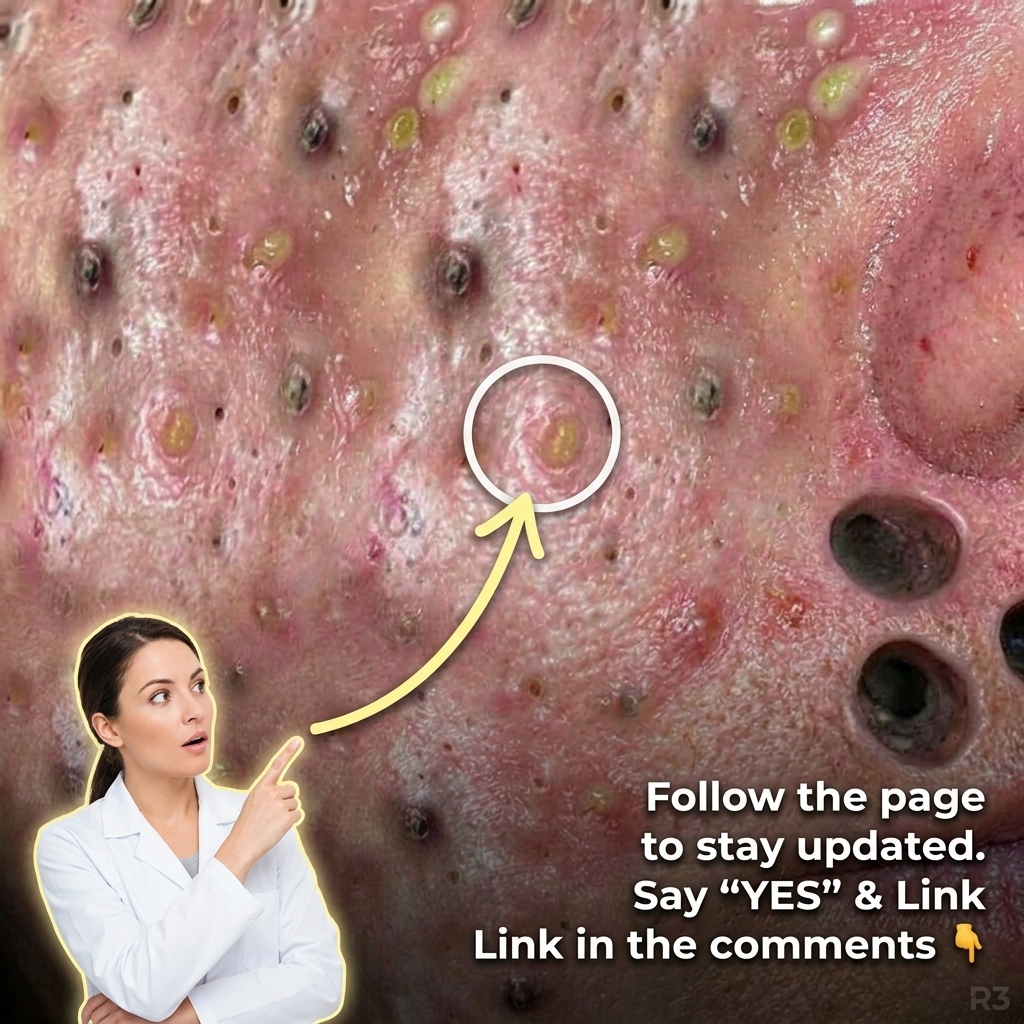
The menstrual cycle involves continuous fluctuations in hormones, particularly estrogen and progesterone, which directly influence cutaneous physiology throughout the month. During the follicular phase, elevated estrogen levels often support hydration and smooth skin texture. However, as the cycle progresses into the luteal phase following ovulation, estrogen drops while progesterone rises, subsequently giving way to a relative increase in androgenic activity right before menstruation. Androgens interact directly with receptors on the sebaceous glands, triggering an overproduction of viscous lipid secretions. This excess sebum mixes with surface lipids, significantly altering the skin's surface environment and leaving the face feeling noticeably greasy. As the follicular orifices fill with this heavy lipid mixture, the likelihood of developing clogged pores increases substantially. Understanding these physiological shifts clarifies why oily skin and cyclical flare-ups routinely manifest in the days preceding a period.
Beyond increased sebum production, hormonal changes actively disrupt the standard process of epidermal desquamation, known as follicular keratinization. Under stable conditions, dead skin cells detach and naturally shed from the inner lining of the pilosebaceous unit. However, shifting hormone levels during the late luteal phase can cause these corneocytes to become sticky and abnormally cohesive. When these sticky skin cells combine with surplus sebum, they coalesce into microscopic plugs called microcomedones within the narrow channels of the pores. As these blockages enlarge, they prevent normal drainage and develop into visible lesions. If the trapped debris remains sealed beneath an intact layer of skin, it manifests as closed comedones, commonly recognized as whiteheads. Conversely, if the pore opening expands and exposes the compacted lipids and dead cells to oxygen, oxidation occurs, resulting in open comedones or dark blackheads.
The accumulation of trapped sebum and cellular debris within restricted follicular space alters the microenvironment, directly affecting the resident skin microbiome. Specific anaerobic bacteria, primarily Cutibacterium acnes, thrive within these oxygen-deprived, lipid-rich clogged pores, rapidly proliferating and releasing pro-inflammatory enzymes. This bacterial overgrowth breaks down sebum into free fatty acids, which irritate surrounding tissue and provoke a localized immune response. Capillaries dilate, and inflammatory cells swarm the area, converting small, non-inflammatory blockages into painful red papules, pustules, or deeper nodules. Concurrently, a compromised skin barrier can exacerbate this irritation, making the tissue surrounding the acne lesions more reactive to external stress. The interplay between altered lipid chemistry, follicular occlusion, and microflora expansion explains why premenstrual breakouts often present as sensitive, inflamed bumps rather than simple surface blemishes along the lower face and jawline.
Managing cyclical breakouts often involves targeted topical ingredients that focus on sebum regulation, gentle exfoliation, and inflammatory mitigation. Beta-hydroxy acids, such as salicylic acid, are lipophilic compounds that penetrate deeply into oil-filled pores to dissolve cellular debris and clarify blockages before severe inflammation occurs. Furthermore, incorporating topical retinoids into a consistent nighttime routine can help normalize keratinization, preventing dead skin cells from sticking together and forming new microcomedones over time. Soothing cosmetic treatments and facial interventions that focus on stress reduction and gentle barrier support may also provide complementary relief by lowering systemically induced cortisol, which otherwise exacerbates sebum output. When used consistently alongside gentle, non-comedogenic cleansers, these evidence-based skin management strategies assist in maintaining clearer pores throughout every phase of the hormonal cycle without stripping essential moisture.
Because cyclical breakouts are driven by internal physiological triggers, long-term skin management frequently benefits from consistent habits and professional dermatological guidance. Maintaining a balanced skin barrier through proper hydration helps resilient skin withstand cyclic stress and aggressive topical therapies. When topical formulations alone are insufficient to manage severe hormonal flare-ups, a dermatologist may evaluate systemic options, such as combined oral contraceptives or anti-androgen medications, which work internally to regulate hormonal spikes before they stimulate the sebaceous glands. Tracking breakout patterns in a cycle-monitoring journal can help individuals anticipate cutaneous shifts, allowing for proactive adjustments in skincare routines a week prior to menstruation. Combining targeted topical care, stress-reducing lifestyle practices, and specialized medical advice provides a comprehensive framework for stabilizing skin health, reducing persistent inflammation, and minimizing future scarring associated with cyclic acne.
Related acne topics
- Understanding the Biological Mechanisms Behind Oily Skin and Breakouts
- Understanding the Biological Differences Between Adult and Teenage Acne
Health information notice: This article is for general informational and educational purposes only. It is not medical advice and does not replace consultation with a licensed dermatologist or healthcare provider.
This article was generated with AI assistance and has not been individually reviewed by a medical professional. View the accompanying YouTube video.
