Environmental pollution, consisting of airborne particulate matter, volatile organic compounds, and ground-level ozone, exerts significant stress on the human integumentary system. When these atmospheric pollutants contact the cutaneous surface, they generate reactive oxygen species that induce severe oxidative stress within the outer layers of the epidermis. A primary target of this oxidative insult is squalene, a specialized lipid naturally produced by sebaceous glands to maintain skin lubrication. When squalene interacts with free radicals, it undergoes a process known as squalene peroxidation, yielding squalene peroxide. Research suggests that squalene peroxide is exceptionally comedogenic and capable of altering the biochemical composition of natural skin oils. This oxidative cascade impairs the normal function of the skin barrier, creating ideal conditions for follicular congestion. Consequently, the interaction between environmental toxins and surface lipids represents a fundamental biochemical mechanism through which urban air pollution can initiate and exacerbate acne lesions.
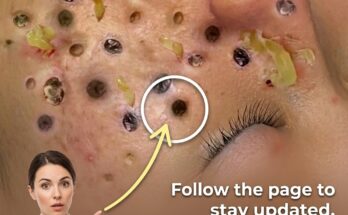
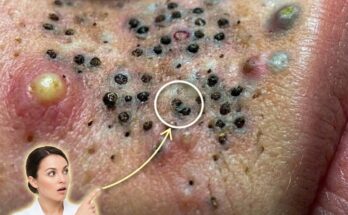
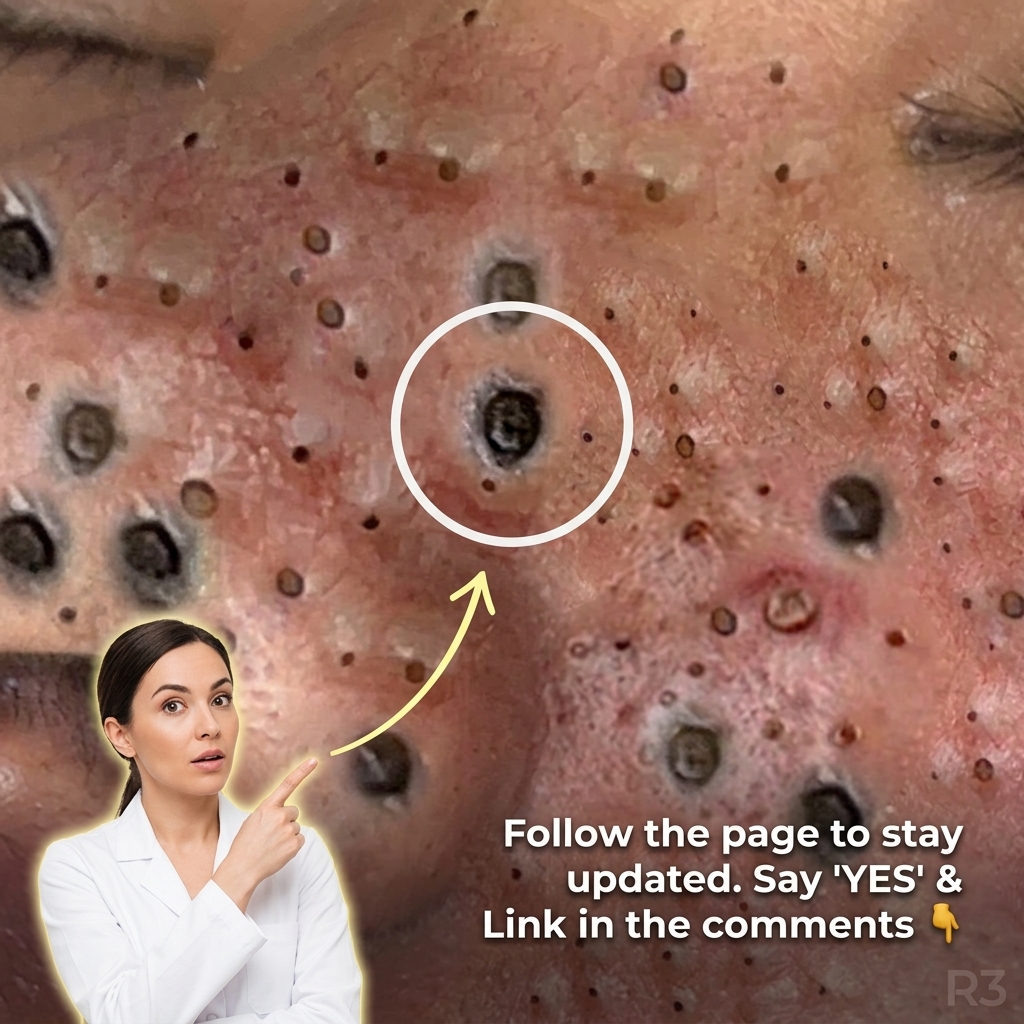
Beyond the direct oxidation of surface lipids, chronic exposure to airborne pollutants triggers complex intracellular signaling pathways within dermal and epidermal cells. Particular contaminants, such as polycyclic aromatic hydrocarbons, are capable of binding to the aryl hydrocarbon receptor located within skin cells. Activation of this receptor initiates a biological pathway that stimulates the upregulation of pro-inflammatory cytokines, initiating a state of localized cutaneous inflammation. Concurrently, this persistent inflammatory state disrupts the process of keratinization, which is the orderly maturation and desquamation of epidermal cells. Instead of shedding efficiently, dead keratinocytes adhere to one another and become trapped within the hair follicle canal. When combined with increased sebum production triggered by environmental stress, this abnormal cellular turnover leads directly to clogged pores. This structural blockage manifests visibly as non-inflammatory comedones, including open blackheads and closed whiteheads, which frequently precede inflamed acne papules.
The physical and chemical changes caused by environmental aggressors also profoundly affect the cutaneous microbiome and overall skin behavior. The human skin surface relies on a delicate balance of resident microflora, including organisms such as Cutibacterium acnes, to maintain health and prevent pathogen colonization. However, when environmental pollution induces squalene peroxidation and breaks down the protective lipid matrix of the skin barrier, this delicate equilibrium is disrupted. The altered lipid environment and compromised stratum corneum create a favorable niche for specific pathogenic or pro-inflammatory strains of bacteria to proliferate rapidly. As microbial dysbiosis accelerates alongside lipid peroxidation, the cutaneous tissue often exhibits heightened reactivity, characterized by persistent oily skin, redness, and active inflammation. Over time, the inability of the weakened skin barrier to retain hydration or repel extrinsic irritants makes the skin significantly more vulnerable to recurring breakouts.
Addressing pollution-associated acne requires a strategic skin care approach designed to minimize oxidative stress and support the structural integrity of the skin barrier. Topical formulations containing robust antioxidants, such as vitamin C, vitamin E, and niacinamide, are commonly recommended in dermatological literature to help neutralize free radicals before they can induce lipid peroxidation. Additionally, effective daily cleansing plays a vital role in removing fine particulate matter that accumulates on the stratum corneum throughout the day. Ingredients that encourage gentle exfoliation, such as beta-hydroxy acids, can help clear accumulated debris and excess sebum from inside clogged pores, preventing microcomedone formation. Incorporating hydrating emollients and ceramide-replenishing agents helps restore the weakened moisture barrier. In clinical and spa settings, targeted facial treatments emphasizing deep purification and soothing barrier support can offer complementary relief by calming reactive skin and alleviating heavy surface congestion.
Long-term management of environmentally stressed, acne-prone skin involves consistent protective habits combined with evidence-based topical treatments. Research indicates that ultraviolet radiation acts synergistically with airborne pollutants, significantly magnifying oxidative damage and accelerating inflammatory pathways. Consequently, broad-spectrum sun protection is considered an indispensable component of any defense strategy against pollution-induced cutaneous damage. This is why ingredients like topical retinoids are often discussed in the context of long-term acne management, as they help regulate cell turnover, normalize keratinization, and prevent future pore occlusion. While targeted over-the-counter ingredients and protective routines provide substantial support, persistent or severe inflammatory acne may require individualized evaluation by a qualified dermatologist. Understanding how environmental factors interact with skin biology ultimately empowers individuals to choose balanced interventions that preserve barrier resilience and promote sustained skin health.
Related acne topics
- Understanding How Genetic Factors Influence Acne Severity and Treatment Pathways
- Understanding Stress Hormones, Ingredient Interactions, and Acne Clearance
Health information notice: This article is for general informational and educational purposes only. It is not medical advice and does not replace consultation with a licensed dermatologist or healthcare provider.
This article was generated with AI assistance and has not been individually reviewed by a medical professional. View the accompanying YouTube video.