Environmental humidity plays a significant role in dictating how the cutaneous ecosystem behaves over extended periods. When ambient moisture levels rise, the stratum corneum absorbs atmospheric water, which directly alters the hydration dynamics of the outermost skin layer. This shift can initially give the impression of well-hydrated tissue, but elevated moisture levels simultaneously affect how surface lipids spread across the epidermis. Furthermore, high humidity often coincides with higher ambient temperatures, stimulating both sweat production and follicular activity. As excess moisture combines with cutaneous lipids, the microenvironment surrounding the pilosebaceous unit changes dramatically. Over time, these environmental shifts influence long-term skin behavior, altering how efficiently dead skin cells shed and shifting the overall balance of normal surface microbes. Understanding these atmospheric influences helps explain why individuals often notice distinct seasonal fluctuations in their breakout patterns.
The physiological mechanism behind humidity-induced acne involves a complex interaction between sebum regulation, sweat production, and cellular turnover. In humid environments, the body produces natural oils that do not evaporate as readily due to high moisture saturation in the air. When sebum combines with trapped perspiration and ambient debris, it creates an ideal setting for follicular blockages. This process disrupts normal keratinization, the natural cycle in which dead skin cells detach from the inner follicular lining and rise to the surface. Instead of sloughing off smoothly, these corneocytes stick together within the pore opening, accelerating the formation of clogged pores. Furthermore, prolonged exposure to high ambient humidity can alter the skin barrier by swelling the surrounding cellular structures, effectively narrowing the pore orifice. This physical constriction, coupled with hyperactive sebaceous glands, creates a persistent physiological bottleneck that frequently triggers new breakouts.
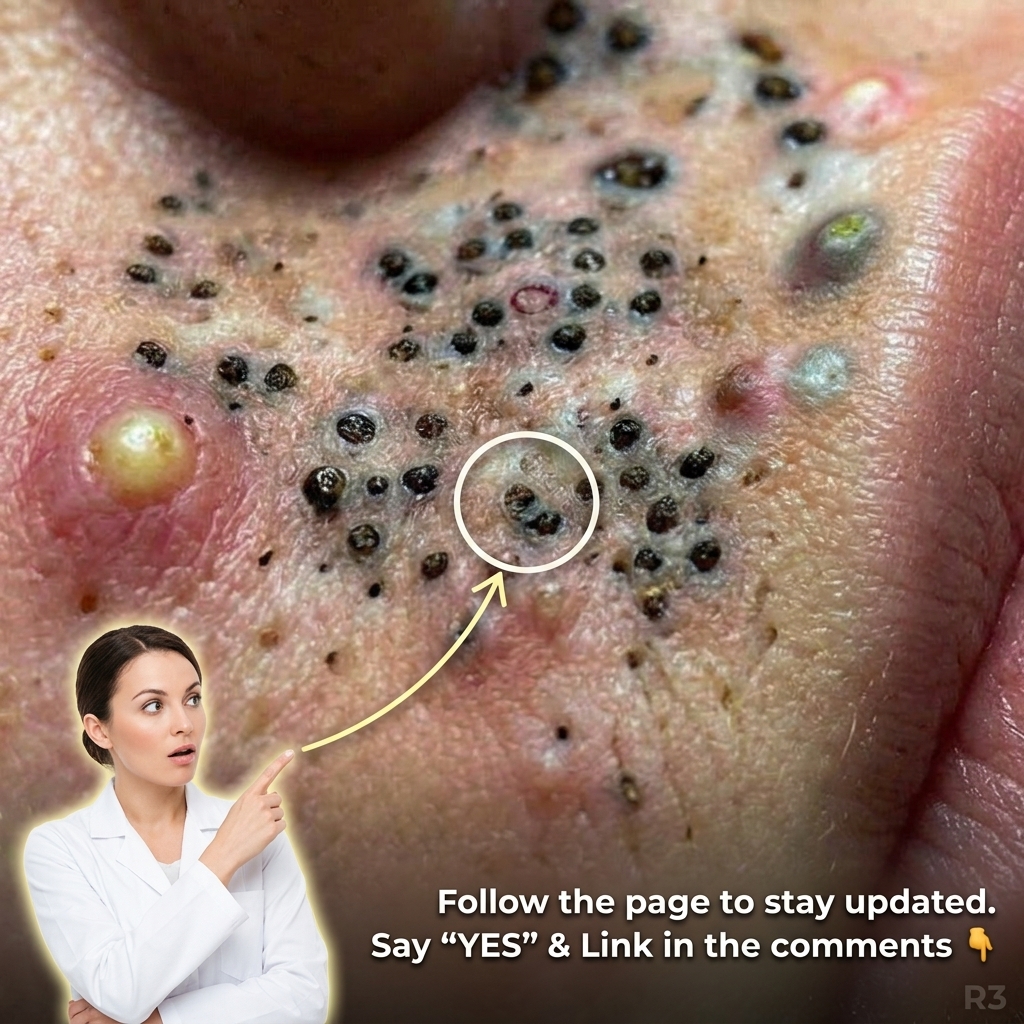
As these internal follicular changes persist, visible skin manifestations become increasingly apparent on the surface. Oily skin often becomes more pronounced, taking on a persistent shine that resists standard superficial cleansing. Within the congested pores, non-inflammatory lesions such as blackheads and whiteheads gradually accumulate. Blackheads occur when open follicular openings allow oxidized lipids and trapped keratin to darken upon contact with air, whereas whiteheads develop when closed pore structures prevent oxygen exposure. If atmospheric moisture levels remain elevated over extended periods, these non-inflammatory comedones can create an anaerobic environment favorable to bacterial proliferation, potentially escalating into localized inflammation. This transition highlights how chronic atmospheric shifts alter the follicular microbiome, changing mild congestion into tender, red papules or pustules. Monitoring how skin responds to these climatic shifts provides valuable insight into underlying barrier health and tissue resilience.
Addressing acne in high-humidity conditions requires strategies focused on lightweight formulation support and gentle cellular exfoliation. Skincare research often emphasizes oil-soluble active ingredients, such as beta-hydroxy acids, which can penetrate deep into lipid-rich pores to break down debris and regulate surface buildup. Similarly, topical retinoids are frequently discussed in clinical literature for their capacity to normalize keratinization and promote efficient cellular turnover over time. Rather than relying on aggressive mechanical scrubs, which can irritate an already compromised skin barrier, dermatological guidance usually favors gentle, non-comedogenic cleansing agents. Maintaining a balanced hydration routine with gel-based or water-based humectants allows the epidermis to remain sufficiently hydrated without adding excess heavy oils. Incorporating soothing topical treatments can also help calm superficial redness while supporting long-term structural integrity during humid seasonal transitions.
Managing persistent acne through changing environmental conditions involves observing how individual tissue responds to long-term atmospheric shifts over several months. Because every skin type interacts differently with temperature and moisture, adapting daily care based on ongoing atmospheric trends can help preserve baseline health. Consistent skin maintenance requires observing subtle signals, such as localized shine or micro-comedone formation, before severe inflammation takes hold. Supporting the protective skin barrier with non-comedogenic formulations and consistent sun protection remains vital regardless of humidity variations. When persistent inflammatory lesions or scarring concerns arise despite appropriate topical care, consulting a board-certified dermatologist offers tailored insight for personalized evaluation. Understanding the dynamic relationships between humidity, pore dynamics, and cellular function empowers individuals to make informed decisions for sustained epidermal stability.
Related acne topics
- How Environmental Pollution Exacerbates Acne: A Biological Mechanism Deep Dive
- Understanding How Genetic Factors Influence Acne Severity and Treatment Pathways
Health information notice: This article is for general informational and educational purposes only. It is not medical advice and does not replace consultation with a licensed dermatologist or healthcare provider.
This article was generated with AI assistance and has not been individually reviewed by a medical professional. View the accompanying YouTube video.
