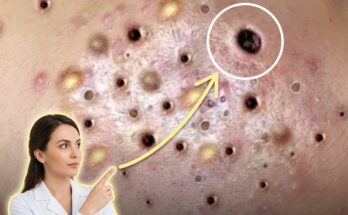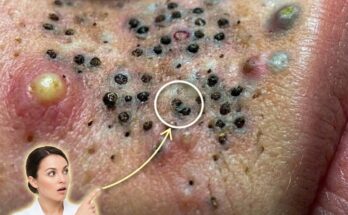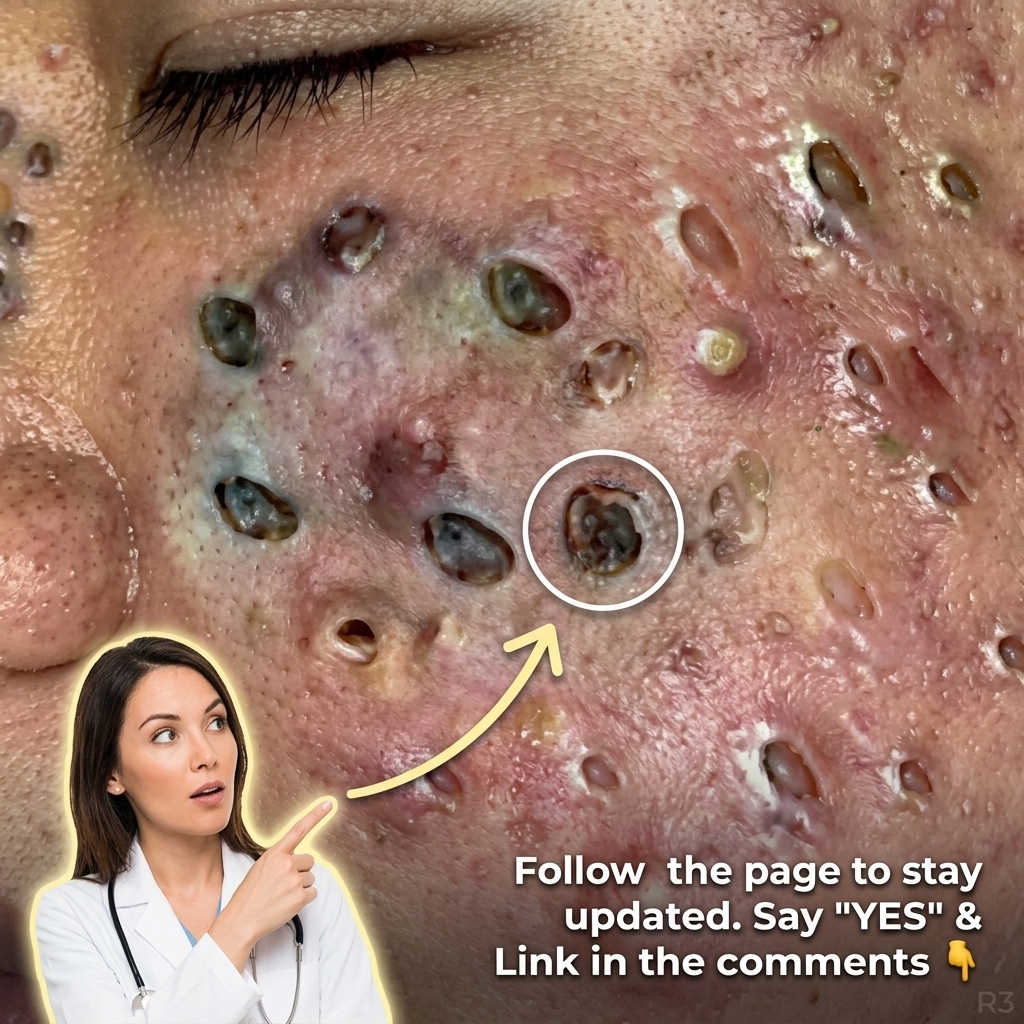
Dermatological research increasingly recognizes acne not merely as an acute, temporary skin disruption, but as a chronic inflammatory condition that persists beneath the surface long before visible blemishes emerge. At the cellular level, subclinical inflammation often precedes the development of clogged pores, initiating a biological cascade that transforms normal pilosebaceous units into acne lesions. When excessive oily skin combines with abnormal keratinization—the process where dead skin cells shed improperly—pores become trapped with follicular debris. This trapped environment fosters microcomedones, which later mature into non-inflammatory lesions such as blackheads and whiteheads. If inflammation continues unchecked, immune signaling molecules recruit white blood cells to the area, escalating the response into painful, swollen papules or pustules. Understanding this underlying inflammatory pathway shifts the focus from spot-treating sudden breakouts toward managing the ongoing cutaneous environment.
Several interconnected drivers sustain this persistent inflammatory loop, making acne a complex condition that requires consistent attention. Sebum regulation plays a central role, as enlarged sebaceous glands produce excess lipids that alter the local microbiome. An overgrowth of Cutibacterium acnes bacteria within oxygen-deprived pores triggers stress responses in surrounding epidermal tissues, releasing inflammatory cytokines. Furthermore, external triggers such as systemic stress can exacerbate skin barrier disruption, increasing neurogenic inflammation and further elevating sebum production. While soothing facial treatments and stress-reduction practices may help temporarily calm reactive skin, the underlying biological tendency toward follicular hyperkeratinization remains active. Because the cutaneous microenvironment is constantly reacting to internal hormonal signals and external environmental stressors, addressing chronic acne involves managing both the metabolic factors driving sebum composition and the microbial balance resting on the skin surface.
The continuous cycle of subclinical inflammation fundamentally alters skin behavior, affecting both its appearance and long-term structural integrity. When inflammation persistently damages the pore walls, the skin barrier becomes impaired, leading to increased transepidermal water loss and heightened sensitivity. This damaged state often causes the skin to compensate by producing even more sebum, worsening the appearance of oily skin and encouraging recurrent clogged pores. As inflammatory mediators persist, affected areas may develop persistent erythema or post-inflammatory hyperpigmentation long after lesions have resolved. Without proper intervention, this ongoing tissue strain degrades collagen around the pilosebaceous duct, potentially leading to permanent structural changes or scarring. Recognizing these visible effects as signs of sustained physiological stress highlights why controlling chronic inflammation is essential for preserving overall skin health and restoring a smooth, balanced complexion.
Managing a chronic inflammatory state effectively requires a thoughtful approach to topical active formulations, particularly through strategic ingredient interaction. Combining functional compounds that target different stages of the acne cascade can yield enhanced therapeutic benefits without overburdening the delicate skin barrier. For instance, pairing lipophilic beta-hydroxy acids like salicylic acid to clear debris within pores alongside anti-inflammatory agents like niacinamide helps reduce surface redness while regulating sebum production. Similarly, incorporating soothing botanical extracts or zinc can mitigate the potential irritation caused by potent cell-communicating ingredients like topical retinoids. However, incompatible combinations—such as layering multiple strong exfoliating acids with benzoyl peroxide—can backfire by stripping essential lipids, compromising barrier function, and ultimately amplifying the inflammatory response. Careful ingredient layering ensures that active compounds work synergistically to suppress inflammation rather than triggering reactive flares.
Long-term dermatology strategies emphasize that maintaining remission in chronic acne requires ongoing care focused on barrier maintenance and gentle regulation rather than harsh intervention. Consistent use of well-formulated topical regimens that respect ingredient compatibility helps stabilize the skin microbiome while controlling cellular turnover. This is why ingredients like retinoids are often discussed in the context of long-term acne management, as they gradually normalize keratinization without inducing chronic distress when paired with adequate hydration. Incorporating restorative ingredients like ceramides and fatty acids supports skin barrier integrity, protecting against external irritants that might otherwise reignite inflammatory pathways. Ultimately, viewing acne through a chronic lens encourages a holistic care routine that balances targeted exfoliation, calming hydration, and physiological support, allowing the skin to gradually regain resilience, clarity, and long-term functional stability.
Related acne topics
- Understanding the Biological Link Between Excess Oil and Enlarged Pores
- How Dead Skin Cells Interact with the Follicular System to Cause Pore Congestion
Health information notice: This article is for general informational and educational purposes only. It is not medical advice and does not replace consultation with a licensed dermatologist or healthcare provider.
This article was generated with AI assistance and has not been individually reviewed by a medical professional. View the accompanying YouTube video.