Androgens, a group of steroid hormones that includes testosterone and dihydrotestosterone, play a central role in regulating the biological activity of sebaceous glands located within the skin's pilosebaceous units. When androgen levels surge or when androgen receptors within the cutaneous tissues exhibit heightened sensitivity, these hormones bind to specific receptors on specialized skin cells known as sebocytes. This binding event triggers an intracellular signaling cascade that significantly stimulates lipogenesis, leading to the excessive production of sebum. Rather than producing normal amounts of fluid lipid mixture to lubricate the skin, the glands secrete an abundance of viscous oil. This increase in sebum secretion is commonly associated with the onset of persistent oily skin. Moreover, androgenic stimulation can alter the qualitative composition of the sebum itself, increasing levels of squalene peroxides and decreasing linoleic acid, which creates an environment ripe for cutaneous congestion.
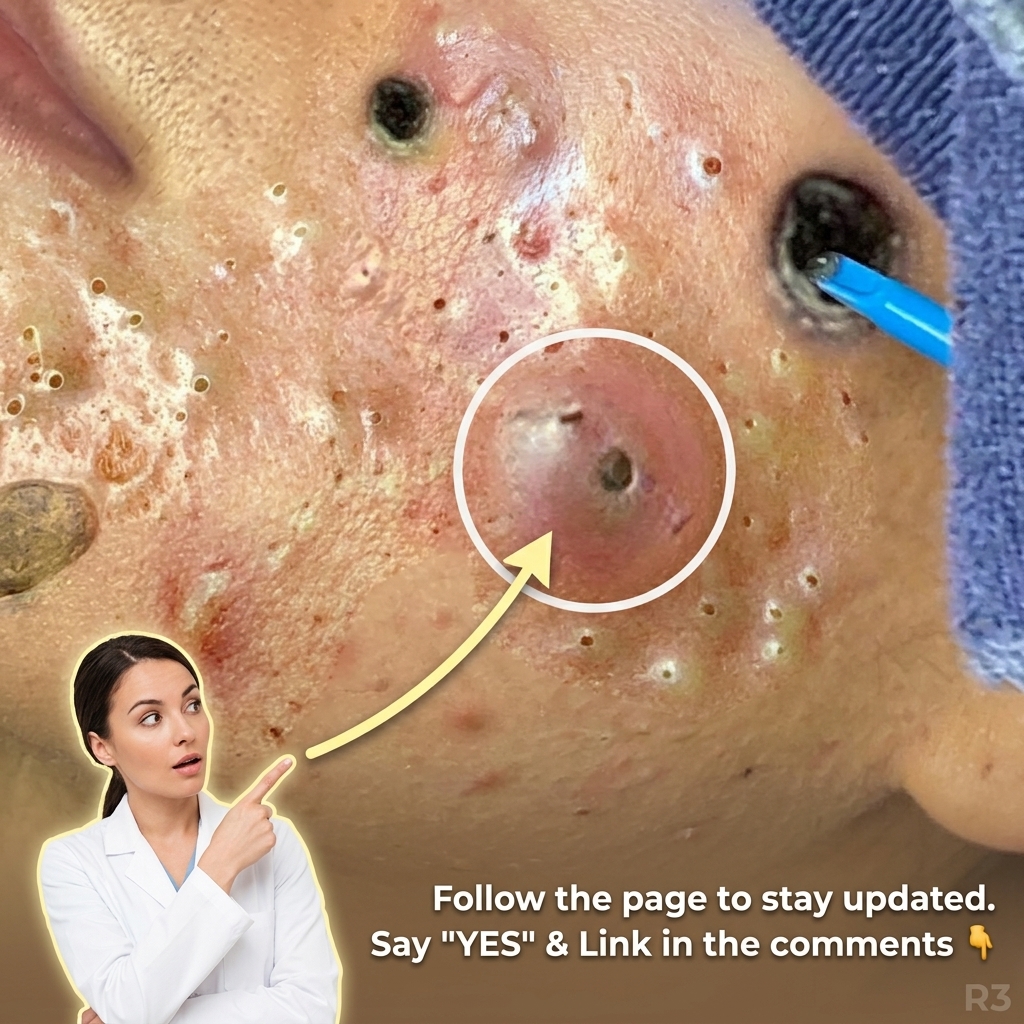
As sebum output accelerates under hormonal influences, a concurrent alteration occurs in the lining of the hair follicle wall—a process referred to as altered follicular keratinization. Under physiological conditions, epidermal cells known as keratinocytes naturally shed from the inner lining of the follicular duct and wash away gracefully with the flow of sebum. However, elevated androgen activity can disrupt this delicate shedding mechanism, causing the keratinocytes to become excessively sticky and adhere to one another instead of detaching cleanly. The combination of dense keratin fragments and viscous sebum forms an impacted mass within the follicle, generating what dermatological literature terms a microcomedone. As this dense debris accumulates inside the hair pore, it expands into a full comedone. If the follicle opening remains constricted, a closed comedone, commonly known as a whitehead, develops beneath the skin surface. Conversely, if the pore remains dilated and open to ambient oxygen, the trapped lipid-keratin mixture oxidizes, darkening to form characteristic blackheads.
The accumulation of stagnant sebum within clogged pores creates an optimal anaerobic, lipid-rich environment for the proliferation of cutaneous microorganisms, particularly Cutibacterium acnes. While this bacterium is a normal resident of the human skin microbiome, its overgrowth within an obstructed hair follicle shifts its metabolic pathways. The bacterium secretes lipase enzymes that degrade the trapped triglycerides in sebum into free fatty acids. These fatty acids act as local irritants to the surrounding tissue, irritating the follicular epithelium and triggering an innate immune response. Neutrophils and other inflammatory mediators migrate swiftly to the site, releasing pro-inflammatory cytokines and hydrolytic enzymes that weaken the follicular wall. Eventually, the wall of the pore may rupture, releasing its contents into the surrounding dermis. This cascade transforms non-inflammatory lesions like blackheads and whiteheads into erythematous, tender inflammatory lesions such as papules, pustules, and deep nodules that characterize clinical acne flare-ups.
Addressing androgen-driven acne requires targeted therapeutic strategies aimed at altering specific steps of this biological cascade. Topical agents such as retinoids are often discussed in dermatological literature for their capacity to normalize follicular keratinization, helping to prevent dead skin cells from adhering to one another and keeping pores clear. Concurrently, beta-hydroxy acids like salicylic acid possess lipid-soluble properties that allow them to penetrate deep within the oily pores to dissolve accumulated lipid debris and encourage cell turnover. For individuals where androgenic influence is particularly pronounced, healthcare professionals may evaluate systemic interventions that influence sebum regulation directly at the hormonal level, such as oral contraceptive pills or anti-androgen medications. By decreasing circulating free testosterones or blocking their binding to cutaneous receptors, these therapies can effectively reduce overall oil production, making them significant options for persistent inflammatory acne.
While focusing on reducing androgenic stimulation and unblocking pores is vital, preserving the integrity of the skin barrier remains equally critical in comprehensive acne management. Overly aggressive active treatments or harsh cleansing regimens can strip the skin of essential lipids, inducing compensatory oiliness and exacerbating existing inflammation. Integrating soothing, hydration-focused skincare steps—such as non-comedogenic moisturizers containing ceramides—helps reinforce moisture retention and maintain surface equilibrium. Furthermore, scientific literature suggests that psychological stress can activate the hypothalamic-pituitary-adrenal axis, releasing cortisol and additional adrenal androgens that may exacerbate sebaceous gland activity. Incorporating gentle spa-like facial treatments, stress relief techniques, and supportive topical care can provide a soothing context that calms irritated skin while mitigating stress-induced hormonal fluctuations. Consulting a qualified dermatologist allows individuals to receive personalized evaluations that appropriately balance targeted hormonal management with gentle barrier repair.
Related acne topics
- Why Acne Is Considered a Chronic Inflammatory Condition and the Role of Ingredient Interaction
- Understanding the Biological Link Between Excess Oil and Enlarged Pores
Health information notice: This article is for general informational and educational purposes only. It is not medical advice and does not replace consultation with a licensed dermatologist or healthcare provider.
This article was generated with AI assistance and has not been individually reviewed by a medical professional. View the accompanying YouTube video.
