Oily skin is primarily characterized by the overproduction of sebum, a lipid-rich substance synthesized by the sebaceous glands located deep within the dermal layers. While sebum plays a vital role in maintaining the skin barrier and protecting against environmental stressors, an abundance of it can significantly alter the physiological environment of the pore. Over extended periods, excessive oil flow blends with shedding epidermal cells, creating a dense mixture that can trap debris inside the pilosebaceous unit. This accumulation often serves as the initial trigger for microcomedone formation, which is the unseen precursor to visible blemishes. When these follicular openings become persistently congested, the structural integrity of the pore is challenged over time, making the skin naturally more susceptible to recurring breakout cycles rather than isolated, temporary blemishes.
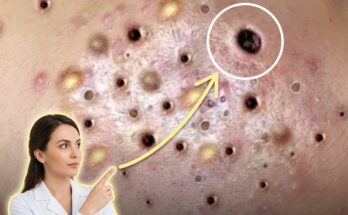
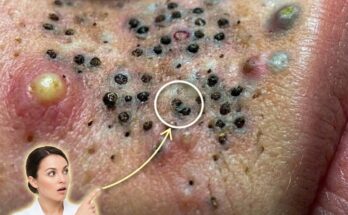
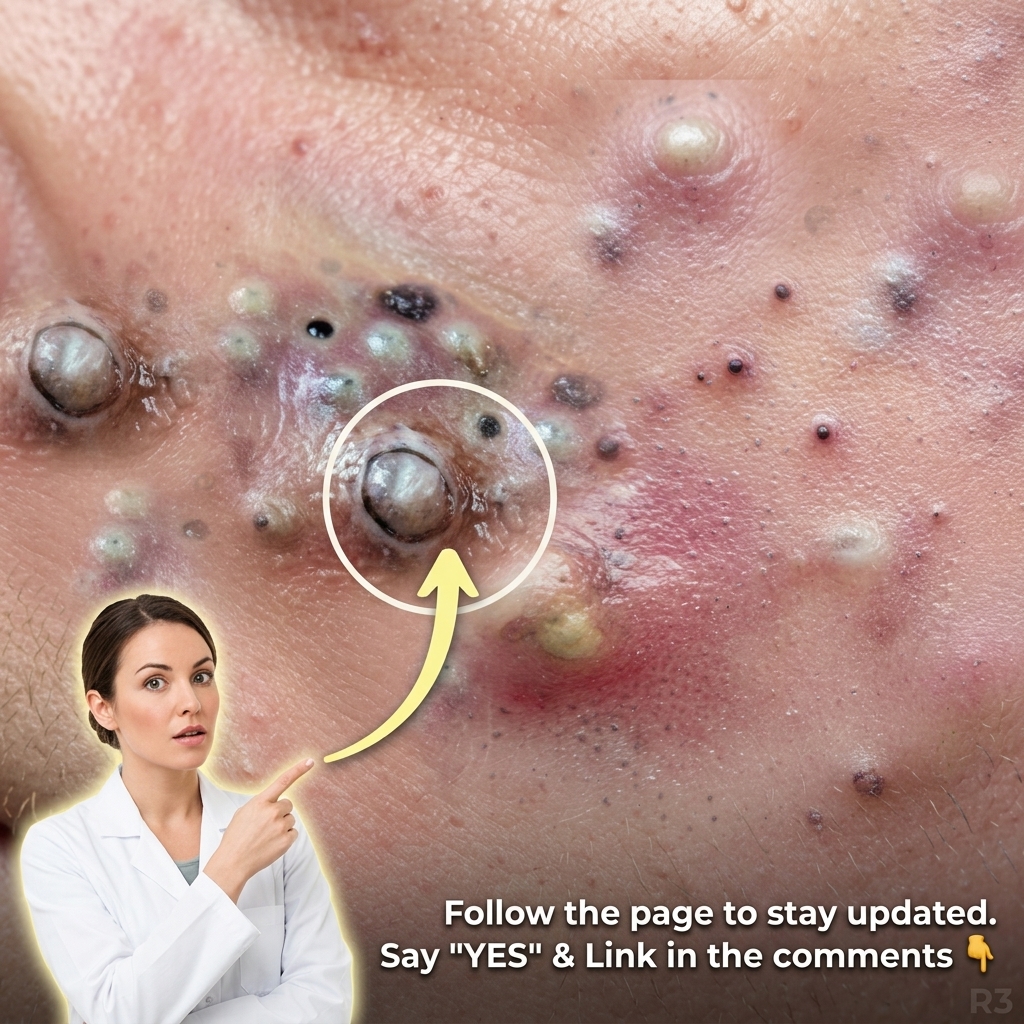
In addition to heightened lipid secretion, long-term propensity for acne is deeply connected to a biological process known as hyperkeratinization. Under normal circumstances, dead skin cells lining the hair follicle are sloughed off smoothly and washed away by normal skin activity. However, in individuals with chronically oily skin, this shedding process is frequently altered. Research suggests that an excess of specific fatty acids in sebum can induce localized cellular stickiness, causing dead skin cells to adhere to one another instead of detaching. This buildup gradually leads to clogged pores, resulting in open comedones, commonly referred to as blackheads, or closed comedones, known as whiteheads. As these follicular plugs consolidate over weeks and months, they restrict oxygen flow within the follicle, establishing an ideal low-oxygen microenvironment that fosters the proliferation of naturally occurring Cutibacterium acnes bacteria.
The interaction between continuous sebum production and follicular bacteria triggers an inflammatory response that defines persistent acne behavior. When bacterial populations expand rapidly within trapped lipid deposits, they release metabolic enzymes that break down triglycerides into free fatty acids. According to dermatological literature, these free fatty acids serve as irritants that stimulate immune receptors, prompting the body to recruit inflammatory cells to the area. Over time, this ongoing immune response can weaken follicular walls, occasionally causing them to rupture and release inflammatory mediators into surrounding tissue. This escalation shifts mild congestion into red, tender papules or pustules. The continuous cycle of inflammation and repair can compromise the natural balance of the skin microbiome, creating a persistent landscape where new inflammatory lesions continually develop alongside older, healing spots.
Managing chronic oiliness and recurring congestion requires consistent strategies that target both sebum regulation and cellular shedding. Topical ingredients such as salicylic acid, a beta-hydroxy acid, are lipid-soluble, allowing them to penetrate deep into oil-filled pores to dissolve cellular debris and clear obstruction. Additionally, topical retinoids are often discussed in the context of long-term acne management because they promote normal cell turnover and prevent dead skin cells from adhering inside the follicle. Regular, soothing facial routines—such as gentle cleansing, non-comedogenic hydration, and professional stress-alleviating skin treatments—can also assist in calming systemic stress markers that otherwise stimulate sebaceous gland hyperactivity. When integrated into a long-term routine, these active agents help normalize follicular dynamics and moderate excess shine without stripping essential moisture from the epidermis.
Sustained management of breakout-prone, oily skin ultimately depends on maintaining the integrity of the skin barrier while managing oil production over time. Aggressive over-cleansing or harsh astringents can disrupt lipid levels, causing compensatory rebounding where glands produce even more sebum to offset perceived dryness. Supporting skin health through steady, balanced care encourages a resilient stratum corneum capable of defending against external stressors. Research suggests that long-term consistency, rather than rapid interventions, offers the most predictable path toward minimizing clogged pores and reducing inflammatory flare-ups. Because individual skin biology varies considerably due to genetic, hormonal, and environmental influences, consulting a board-certified dermatologist remains a valuable step for developing a personalized maintenance strategy tailored to long-term skin health.
Related acne topics
Health information notice: This article is for general informational and educational purposes only. It is not medical advice and does not replace consultation with a licensed dermatologist or healthcare provider.
This article was generated with AI assistance and has not been individually reviewed by a medical professional. View the accompanying YouTube video.