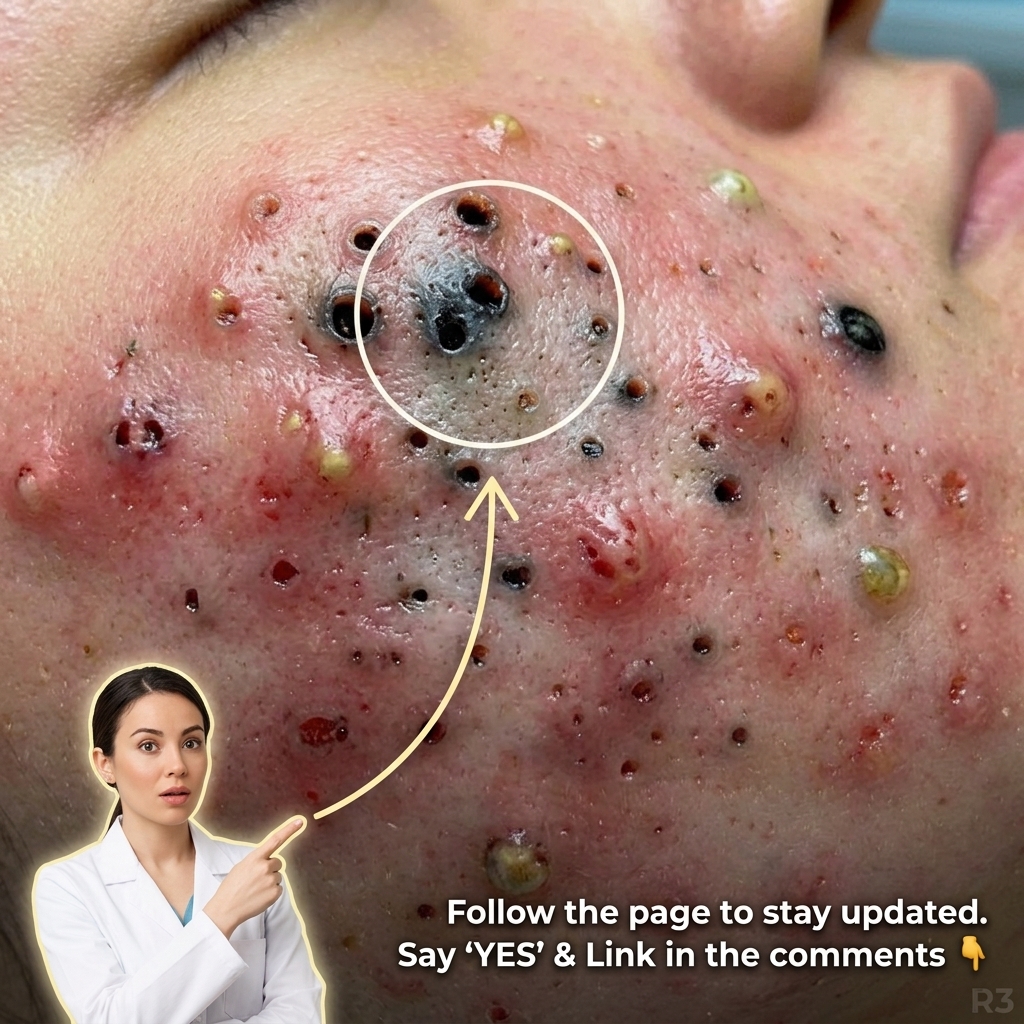
While acne is fundamentally driven by follicular hyperkeratinization, excess sebum, bacterial colonization, and inflammation, its presentation in adults differs significantly from adolescent cases due to complex system interactions within the body. In teenage years, pubertal surges in circulating androgen hormones typically trigger widespread sebaceous gland hypertrophy, leading to classic diffuse oily skin and prominent clogged pores across the T-zone. In contrast, adult acne—particularly in women—often manifests through intricate interactions between the endocrine system, chronic micro-inflammation, and the cutaneous nervous system. Rather than simple excess sebum, adult skin frequently exhibits altered lipid composition and diminished cell turnover rates, altering how lesions form. These overlapping biological shifts mean adult acne is less about generalized surface oiliness and more about systemic biological feedback loops impacting the skin barrier. Consequently, understanding how these internal systems communicate with the integumentary system provides crucial context for why adult breakouts require distinct management strategies compared to adolescent blemishes.
A primary driver behind the unique nature of adult acne is the neuro-endocrine-cutaneous axis, which illustrates how stress and internal signaling pathways influence skin function. When an individual experiences persistent psychological or physical stress, the body releases cortisol and neuropeptides like substance P, which directly bind to receptors on sebaceous glands and immune cells within the dermis. This systemic interaction can trigger localized inflammation and alter natural sebum regulation without necessarily causing generalized hyper-oily skin. Furthermore, stress-induced pathways can impair the structural integrity of the skin barrier, increasing transepidermal water loss and making the tissue more sensitive to external irritants. Unlike teenage skin, which generally boasts robust structural resilience and fast repair mechanisms, adult skin undergoing chronic stress exhibits heightened vulnerability. This interplay between systemic stress signals, localized vascular changes, and cutaneous inflammation explains why adult breakouts often appear suddenly as tender, deep-seated nodules rather than simple superficial whiteheads or blackheads.
The clinical pattern and distribution of lesions also highlight the distinct ways adult skin interacts with internal physiological systems. While teenage breakouts typically concentrate in oil-dense areas such as the forehead and nose, adult acne frequently concentrates along the lower third of the face, specifically the jawline, chin, and neck—a distribution often referred to as the U-zone. Because adult epidermis exhibits a slower cellular turnover rate and reduced natural moisture factors, dead keratinocytes do not shed as efficiently. When abnormal keratinization occurs alongside localized sebum changes, follicles easily become occluded. However, instead of forming basic non-inflammatory comedones like mild whiteheads or open blackheads, adult follicles are more prone to trapped follicular debris that recruits inflammatory cascades deep within the dermis. This structural shift can lead to persistent red bumps that resolve slowly, often leaving behind stubborn post-inflammatory hyperpigmentation due to the diminished regenerative capacity of mature skin.
Addressing adult acne requires balancing targeted active ingredients with delicate barrier maintenance, as mature skin cannot tolerate the aggressive drying agents often marketed to teenagers. Overly harsh treatments can strip essential lipids, disrupt the cutaneous microbiome, and aggravate underlying inflammation, ultimately worsening breakouts. Dermatological literature frequently emphasizes ingredients that support sebum regulation and normal cell turnover while protecting moisture levels. For example, low concentrations of salicylic acid can penetrate lipid-rich pores to gently dissolve debris, while topical niacinamide may help reduce localized redness and support barrier resilience. Additionally, ingredients like topical retinoids are often discussed in the context of long-term acne management because they encourage proper keratinization without compromising the skin's structural balance. Integrating these multi-functional agents helps address clogged pores and subtle inflammatory signals while maintaining the delicate moisture balance required for mature cutaneous health.
Ultimately, managing adult acne involves recognizing that the skin operates as a dynamic, interconnected organ that reflects broader internal processes. Supporting long-term skin health requires a comprehensive approach that includes gentle cleansing, consistent sun protection, and targeted topical care designed to uphold the cutaneous barrier. Professional treatments, such as soothing clinical facials or light-based therapies, are sometimes incorporated into broader care plans to help alleviate surface congestion, promote relaxation, and calm cutaneous stress signals. Maintaining a balanced skin microbiome and avoiding overly aggressive manual extractions can further minimize the risk of secondary infection and permanent scarring. Because persistent or deep-seated adult acne can stem from complex hormonal or systemic imbalances, consulting a board-certified dermatologist remains the most reliable path for identifying individual contributing factors and developing a personalized, evidence-based regimen tailored to the unique physiological needs of adult skin.
Related acne topics
- Understanding How Puberty Influences Long-Term Acne Dynamics and Skin Biology
- How Androgenic Hormones Influence Sebaceous Gland Activity and Drive Acne Development
Health information notice: This article is for general informational and educational purposes only. It is not medical advice and does not replace consultation with a licensed dermatologist or healthcare provider.
This article was generated with AI assistance and has not been individually reviewed by a medical professional. View the accompanying YouTube video.
