Puberty marks a major physiological transition driven by surging hormone levels, particularly circulating androgens, which directly impact the sebaceous glands within the skin. As adolescent development begins, these enlarged glands produce increased volumes of sebum, an oily substance designed to moisturize and protect the epidermal layer. However, excess oil production often interacts with abnormal keratinization, a process where dead skin cells shed irregularly and clump together inside hair follicles. When surplus sebum combines with these trapped corneal cells, pores become obstructed, creating an optimal environment for acne development. This biological cascade explains why adolescents frequently experience a sudden onset of oily skin and clogged pores. Understanding this early physiological shift provides insight into how hormonal surges establish new baseline patterns of follicular congestion that can persist long after the initial developmental spike subsides.
Beyond simple surface oiliness, the microenvironment within clogged pores undergoes structural and microbial shifts during puberty. The abundance of lipids creates a nutrient-rich site for Cutibacterium acnes, a bacterium naturally present on the human cutaneous surface. As bacterial proliferation occurs, metabolic byproducts are released, triggering local inflammation and secondary immune responses in the surrounding dermal tissue. This inflammatory activity can weaken follicular walls, leading to deeper tissue reactivity and visible lesions. Factors such as psychological stress, fluctuating dietary patterns, and genetic predispositions can further exacerbate sebum regulation challenges during this phase. Over time, these combined influences establish recurring cycles of cutaneous sensitivity and breakouts. Recognizing how localized follicular microenvironments shift during adolescence clarifies why managing persistent inflammation is critical for long-term skin health.
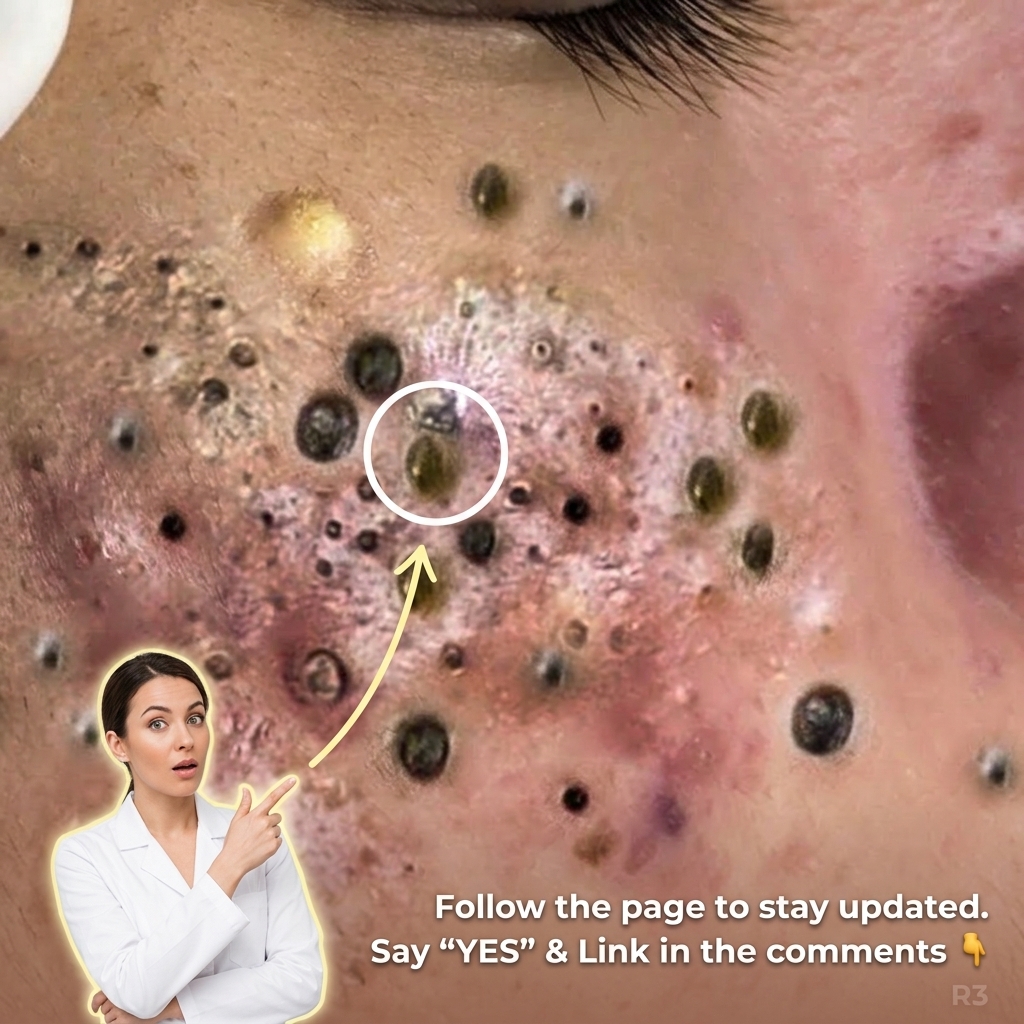
The outward expression of puberty-induced hormonal changes presents in various forms depending on pore depth and inflammatory status. Non-inflammatory lesions, commonly identified as blackheads and whiteheads, occur when follicular openings remain partially open to air or completely sealed by keratinous debris, respectively. When deeper inflammation occurs, papules, pustules, or nodular structures may develop, altering overall texture and appearance. Over extended periods, the skin adapts to these ongoing physiological changes, sometimes manifesting chronic sensitivity or hyperpigmentation following active breakouts. This ongoing evolution highlights how initial adolescent changes can influence the structural integrity of the skin barrier for years. Monitoring these recurring lesion patterns helps individuals comprehend how localized follicular blockages gradually evolve into stable, long-term cutaneous behaviors.
Addressing the manifestations of puberty-related breakouts typically involves targeted topical ingredients that encourage regular cellular turnover and gentle cleansing routines. Salicylic acid, a beta-hydroxy acid, is widely utilized due to its lipid-soluble nature, which allows it to penetrate deeply into oily skin to dissolve trapped keratin debris within pores. Similarly, topical retinoids are often discussed in the context of persistent acne management because they help normalize keratinization and reduce the likelihood of future microcomedone formation. Incorporating soothing topical agents and professional aesthetic support—such as gentle facial treatments designed to calm reactive tissue and lower stress levels—can further support skin barrier function without causing excessive dryness or irritation. Balancing active keratolytics with restorative hydration helps maintain skin stability over extended treatment timelines.
Sustaining clear, resilient skin beyond adolescence requires a holistic approach focused on long-term skin behavior rather than immediate, aggressive fixes. As hormonal activity gradually stabilizes into adulthood, the cutaneous surface may still retain heightened sensitivity to environmental stressors, barrier disruption, or subtle endocrine fluctuations. Consistent, non-irritating care that prioritizes hydration, sun protection, and balanced sebum regulation can mitigate recurring flare-ups over time. For persistent or severe inflammatory cases, consulting a board-certified dermatologist provides personalized evaluation and evidence-based guidance tailored to individual skin characteristics. Establishing a gentle, sustained routine early in life fosters better epidermal recovery, reduces the likelihood of long-term scarring, and promotes predictable, healthy skin behavior over the course of many years.
Related acne topics
- Understanding the Biological Link Between Excess Oil and Enlarged Pores
- How Androgenic Hormones Influence Sebaceous Gland Activity and Drive Acne Development
Health information notice: This article is for general informational and educational purposes only. It is not medical advice and does not replace consultation with a licensed dermatologist or healthcare provider.
This article was generated with AI assistance and has not been individually reviewed by a medical professional. View the accompanying YouTube video.
