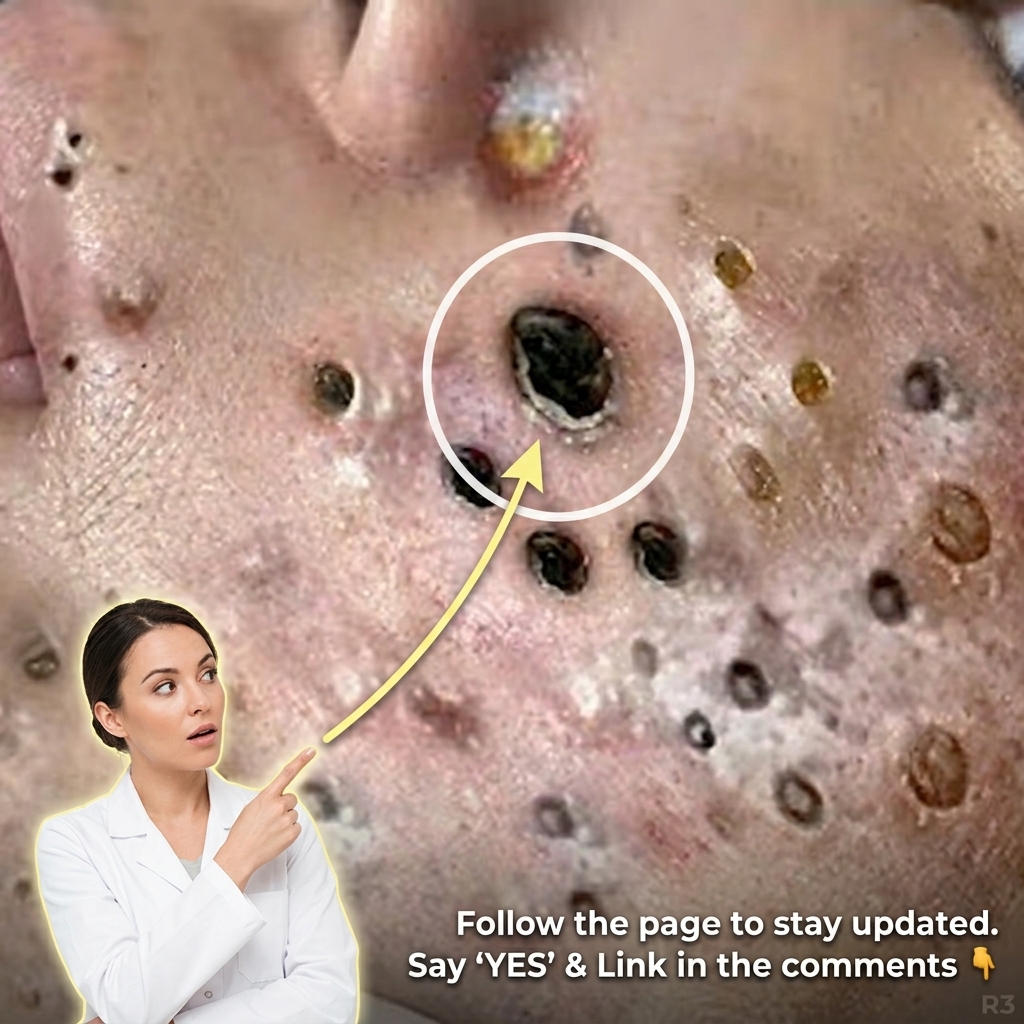
The human skin continually undergoes a dynamic process of renewal, where young keratinocytes migrate upward from the deeper epidermal layers to form the outermost protective surface. Under optimal conditions, these older, dead skin cells naturally shed in a process known as desquamation. However, when the shedding cycle becomes disrupted—a phenomenon known in dermatological literature as altered keratinization—dead cells can accumulate inside the follicular infundibulum instead of sloughing off evenly. When these dense clusters of shed corneocytes mix with naturally produced skin lipids, particularly sebum, they form a viscous plug within the microcomedone. This early mechanical blockage acts as the foundation for congested pores, altering the microenvironment of the follicle and impeding the outward flow of natural oils. Understanding this intricate interplay between cellular turnover and lipid production highlights how even minor disruptions in epidermal renewal can initiate the cascading events that eventually manifest as persistent skin congestion.
Sebum regulation plays a pivotal role in maintaining skin hydration and barrier function, but its composition and quantity can significantly influence pore behavior. In individuals prone to oily skin, the sebaceous glands often produce an excess of lipids that, when combined with localized debris, create an ideal environment for cellular cohesion. Rather than detaching smoothly, dead skin cells become trapped within the viscous lipid matrix, adhering to the inner walls of the pore. Depending on whether the resulting follicle remains open or closed to the external environment, distinct visible structures form. If the plug remains beneath an intact layer of skin, a closed comedone, commonly known as a whitehead, develops due to the confinement of trapped cellular material. Conversely, if the follicular orifice expands and exposes the mixture of dead cells and oxidized sebum to oxygen, an open comedone, or blackhead, appears. Both manifestations demonstrate how cellular shedding and sebaceous activity tightly interact within the follicular system.
Beyond physical blockage, the accumulation of dead skin cells fundamentally alters the follicular ecosystem, triggering secondary biological cascades. The oxygen-deprived environment created inside clogged pores creates favorable conditions for anaerobic microorganisms that naturally reside on the skin, notably species within the cutaneous microbiome such as Cutibacterium acnes. As these microbial populations proliferate by consuming trapped lipids, they produce metabolic byproducts that irritate the surrounding tissue. This localized biochemical shift activates the innate immune response, leading to vascular dilation, redness, and swelling characteristic of inflammatory acne lesions like papules and pustules. Dermatological research suggests that this transition from non-inflammatory comedones to inflammatory lesions illustrates the critical connection between structural impaction and immune activation. Consequently, addressing accumulated cellular debris is not merely a matter of surface texture, but a vital step in mitigating the systemic inflammatory signals that drive ongoing skin distress.
The health of the overall skin barrier remains intricately linked to how effectively the skin manages dead cell clearance. When the moisture barrier is compromised—whether by harsh environmental stressors, over-cleansing, or dehydration—the skin may respond by producing compensatory sebum or by accelerating desquamation in a disorganized manner. Professional esthetic care and structured skincare practices often emphasize restoring barrier equilibrium while facilitating gentle removal of surface buildup. Methods like chemical exfoliation using beta-hydroxy acids, such as salicylic acid, work by penetrating lipid-rich environments to break down intercellular bonds between dead cells. This is why ingredients like retinoids are also frequently discussed in the context of long-term acne management, as they help normalize cellular turnover. Maintaining a balanced barrier ensures that corrective measures do not induce secondary irritation, which could otherwise exacerbate hyperkeratinization and perpetuate the cycle of congestion.
Managing cellular accumulation and preventing pore congestion requires a comprehensive approach that respects the delicate balance of the epidermal system. Rather than relying on aggressive mechanical scrubbing, which can damage the delicate follicular lining and spark additional inflammation, dermatological literature emphasizes consistent, gentle interventions that promote ongoing cellular renewal. Maintaining optimal hydration, utilizing non-comedogenic formulations, and incorporating targeted agents that support natural shedding can gradually decrease the frequency of clogged pores. Furthermore, understanding that acne development involves a continuous cycle of microscopic changes helps individuals adopt patient, sustained routines rather than seeking immediate, harsh solutions. For persistent or severe congestion, consulting a board-certified dermatologist offers tailored guidance to align topical strategies with individual skin biology, ensuring the long-term health, clarity, and resilience of the skin's protective structure.
Related acne topics
- Understanding the Biological Mechanisms Behind Oily Skin and Breakouts
- Understanding the Role of Skin Barrier Dysfunction in Acne Development
Health information notice: This article is for general informational and educational purposes only. It is not medical advice and does not replace consultation with a licensed dermatologist or healthcare provider.
This article was generated with AI assistance and has not been individually reviewed by a medical professional. View the accompanying YouTube video.
