The skin barrier, primarily located in the outermost layer known as the stratum corneum, functions as a sophisticated protective interface composed of corneocytes embedded in a specialized lipid matrix of ceramides, cholesterol, and free fatty acids. When this delicate lipid balance is altered or physically disrupted, the interconnected systems within the skin begin to shift. Barrier dysfunction often triggers a compensatory response from the sebaceous glands, leading to elevated sebum production to offset moisture loss. Concurrently, impaired barrier integrity disturbs normal epidermal cell shedding, a biological process known as keratinization. When excess sebum interacts with compromised, sticky skin cells within the follicular unit, microscopic blockages form within the pore canal. This cascading system interaction creates an environment where clogged pores become significantly more likely to develop, laying the structural foundation for both non-inflammatory and inflammatory acne lesions.
Multiple internal and external variables can destabilize skin barrier integrity and exacerbate acne development. Aggressive cleansing habits, frequent physical exfoliation, and overly harsh topical agents frequently strip essential lipid layers, paradoxically accelerating transepidermal water loss while destabilizing the natural surface ecosystem. When the surface acid mantle is disrupted, opportunistic microorganisms within the cutaneous microbiome can alter their behavior and contribute to localized inflammation. Furthermore, systemic factors such as physical stress and hormonal fluctuations can influence both sebum composition and the skin's innate immune signaling, further delaying structural barrier repair. This dynamic interplay between depleted surface lipids, elevated oil output, and microfloral imbalance can transform manageable oily skin into a persistent state of follicular occlusion, making the follicle wall increasingly susceptible to micro-tears and inflammatory responses.
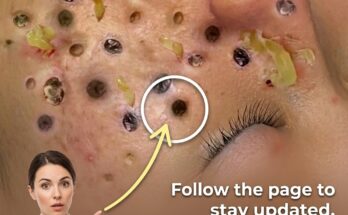
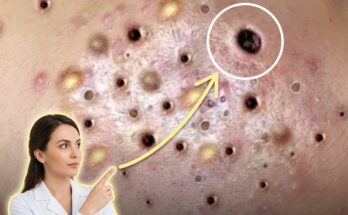
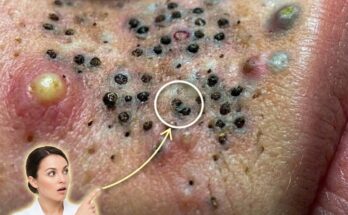
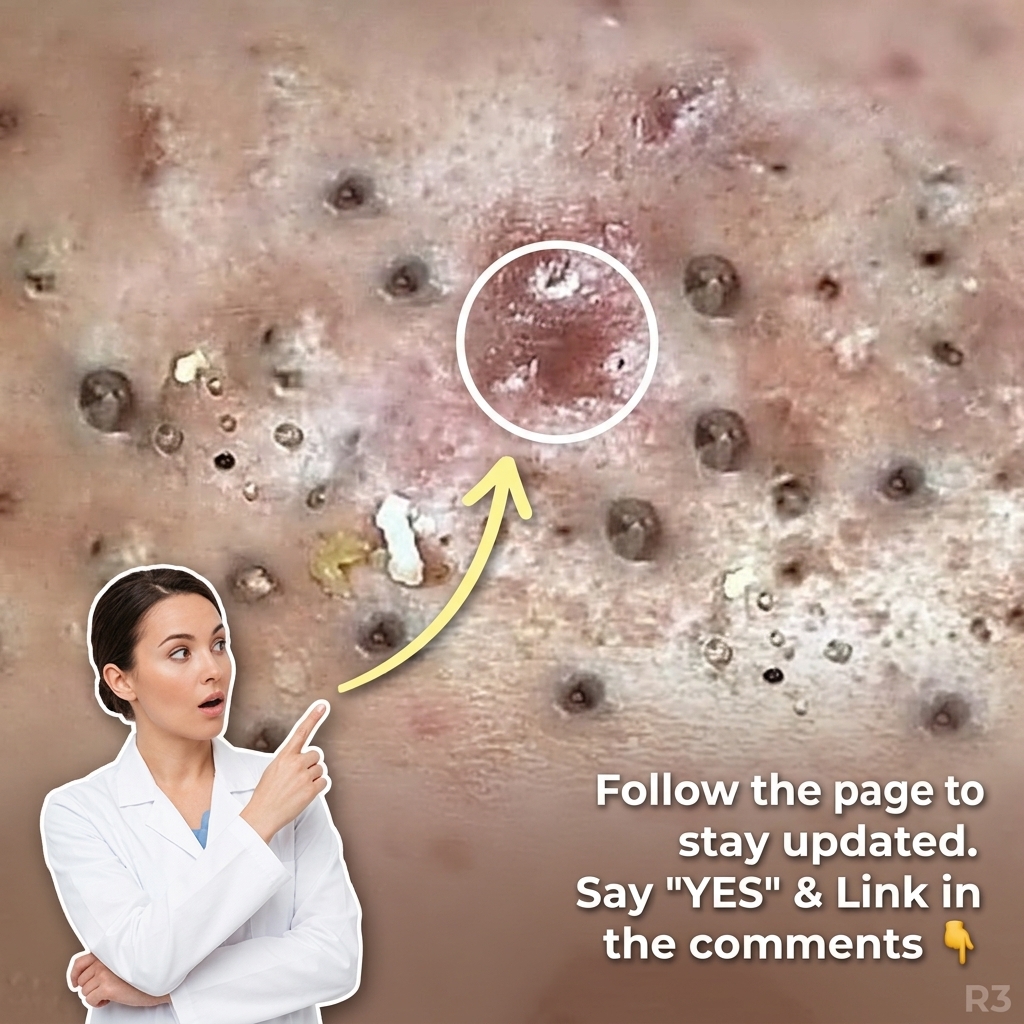
The visible manifestations of skin barrier dysfunction typically reflect a complex tension between altered lipid chemistry and heightened tissue sensitivity. As dead keratinocytes accumulate inside congested follicular channels alongside altered sebum, non-inflammatory lesions such as open comedones (blackheads) and closed comedones (whiteheads) readily form. When the outer lipid shield is impaired, the stratum corneum struggles to retain moisture effectively, often causing the surface to feel tight and sensitive even as sebum production remains high—a presentation frequently described as dehydrated oily skin. This structural weakness impairs the pore lining's ability to act as an effective shield, permitting bacterial metabolic byproducts and cellular debris to leak into the surrounding dermis. Consequently, simple clogged pores can rapidly evolve into red, tender papules and pustules rather than resolving smoothly on their own.
Addressing acne while preserving or restoring barrier function requires a dual-focused strategy that prioritizes lipid replenishment alongside gentle clearance of follicular buildup. Rather than relying exclusively on drying formulations that further degrade the stratum corneum, modern evidence-based practices emphasize soothing, non-comedogenic ingredients. Formulations containing ceramides, glycerin, and niacinamide can help restore the lipid matrix, lower inflammatory signaling, and improve moisture retention without inducing congestion. Simultaneously, topical retinoids are often discussed in the context of long-term acne management because they regulate keratinization and support steady cell turnover. By combining gentle epidermal renewal with targeted barrier restoration, skincare strategies can effectively clear persistent blockages while reinforcing the skin's natural physical defenses against recurring breakouts and superficial irritation.
Long-term maintenance of clear, resilient skin depends on establishing a sustainable equilibrium among lipid synthesis, cellular desquamation, and microbial health. Dermatological literature consistently emphasizes that aggressive over-treatment can induce a chronic cycle of barrier breakdown, hyper-reactivity, and recurrent acne flares. Incorporating soothing topical treatments and stress-mitigating wellness practices can subtly support physiological balance by moderating neuroendocrine-induced inflammation and vascular reactivity. When the cutaneous barrier is structurally sound and adequately hydrated, the skin demonstrates greater resilience against environmental stressors and opportunistic bacteria. Prioritizing balanced, protective routines over harsh interventions ensures that the entire skin system operates efficiently, fostering a healthy microenvironment where both active breakouts and chronic skin sensitivity can systematically decrease over time.
Health information notice: This article is for general informational and educational purposes only. It is not medical advice and does not replace consultation with a licensed dermatologist or healthcare provider.
This article was generated with AI assistance and has not been individually reviewed by a medical professional. View the accompanying YouTube video.