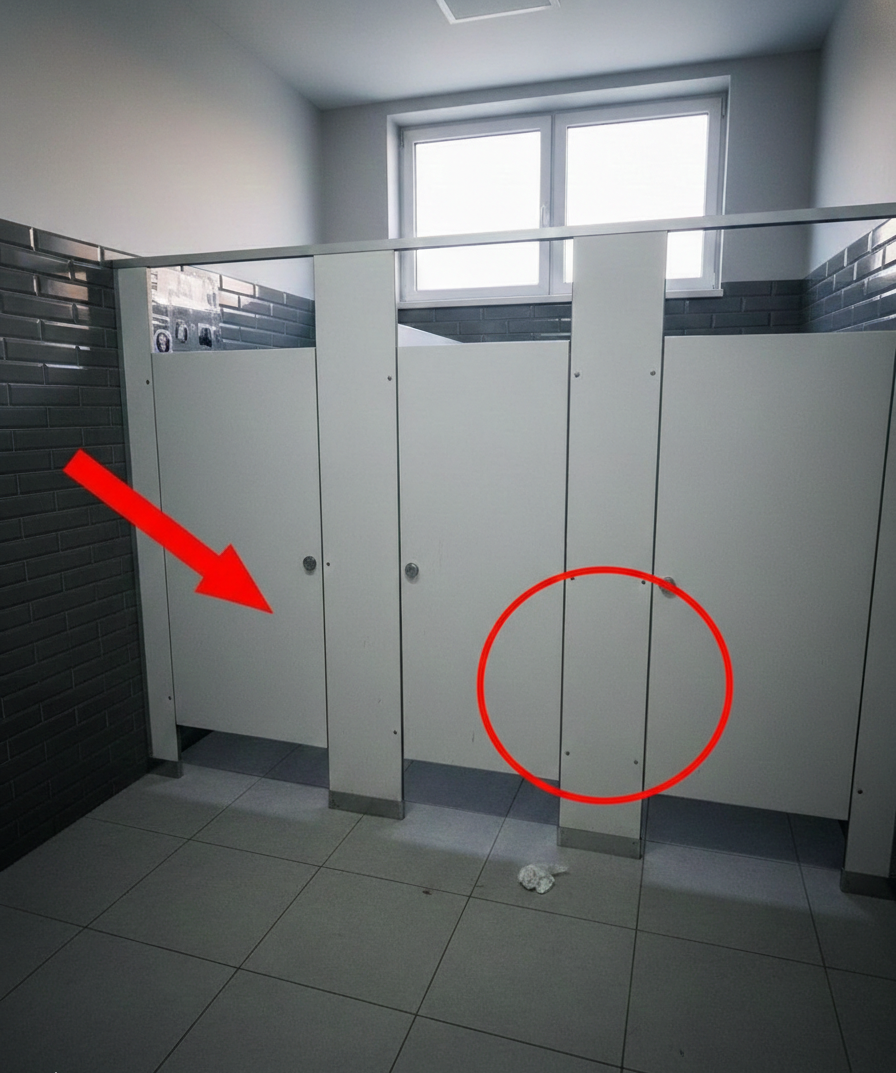
Why Public Bathroom Doors Don’t Reach the Floor
Public restroom stall doors that stop short of the floor often feel unusual at first glance. However, this design choice is intentional and rooted in practical considerations. Rather than being an oversight, the gap serves several important functions related to safety, hygiene, maintenance, and overall facility management.
Safety and Emergency Access
One of the most important reasons for the open space beneath stall doors is safety. In public restrooms, staff must be able to respond quickly if someone inside a stall is injured, ill, or otherwise unable to ask for help. The gap allows responders to assess whether a stall is occupied and whether assistance may be needed, without immediately forcing the door open.
In emergency situations, every second matters. This visibility and access can significantly reduce response time while still maintaining reasonable privacy for everyday use.
Improved Airflow and Odor Control
Public restrooms experience high usage throughout the day, making ventilation essential. The gap beneath stall doors supports better air circulation by allowing fresh air to move freely through the space. Improved airflow helps disperse odors and reduces moisture buildup, which can otherwise contribute to unpleasant conditions or long-term maintenance issues.
Effective ventilation also supports hygiene by limiting damp environments where bacteria and mold are more likely to thrive.
Easier and More Efficient Cleaning
Maintenance efficiency is another practical factor. Janitorial staff can clean and sanitize restroom floors more quickly when stall doors do not obstruct access. Mopping and disinfecting can be done without opening each stall individually, saving time and reducing repeated contact with door surfaces.
This design also minimizes wear on door hinges and locks, helping fixtures last longer in high-traffic environments.
Cost and Standardization Considerations
From a facility management perspective, stall systems with raised doors are typically less expensive to manufacture, install, and repair. Standardized designs make it easier to replace parts and maintain consistency across public buildings, such as schools, airports, and office complexes.
While cost is not the primary driver, durability and efficiency are important considerations for spaces designed to serve large numbers of people daily.
Balancing Privacy With Functionality
Although the gap may feel uncomfortable to some users, it represents a compromise between privacy and the practical needs of public spaces. Full floor-to-ceiling enclosures can create safety risks, restrict airflow, and increase maintenance challenges. The current design aims to provide adequate privacy while supporting the operational realities of shared restrooms.
A Purposeful Design Choice
The space beneath public restroom stall doors is not an accident or a shortcut. It is a deliberate feature that supports safety, cleanliness, ventilation, and efficient maintenance. What appears to be a small design detail plays a meaningful role in keeping public restrooms functional, hygienic, and safe for everyone who uses them.