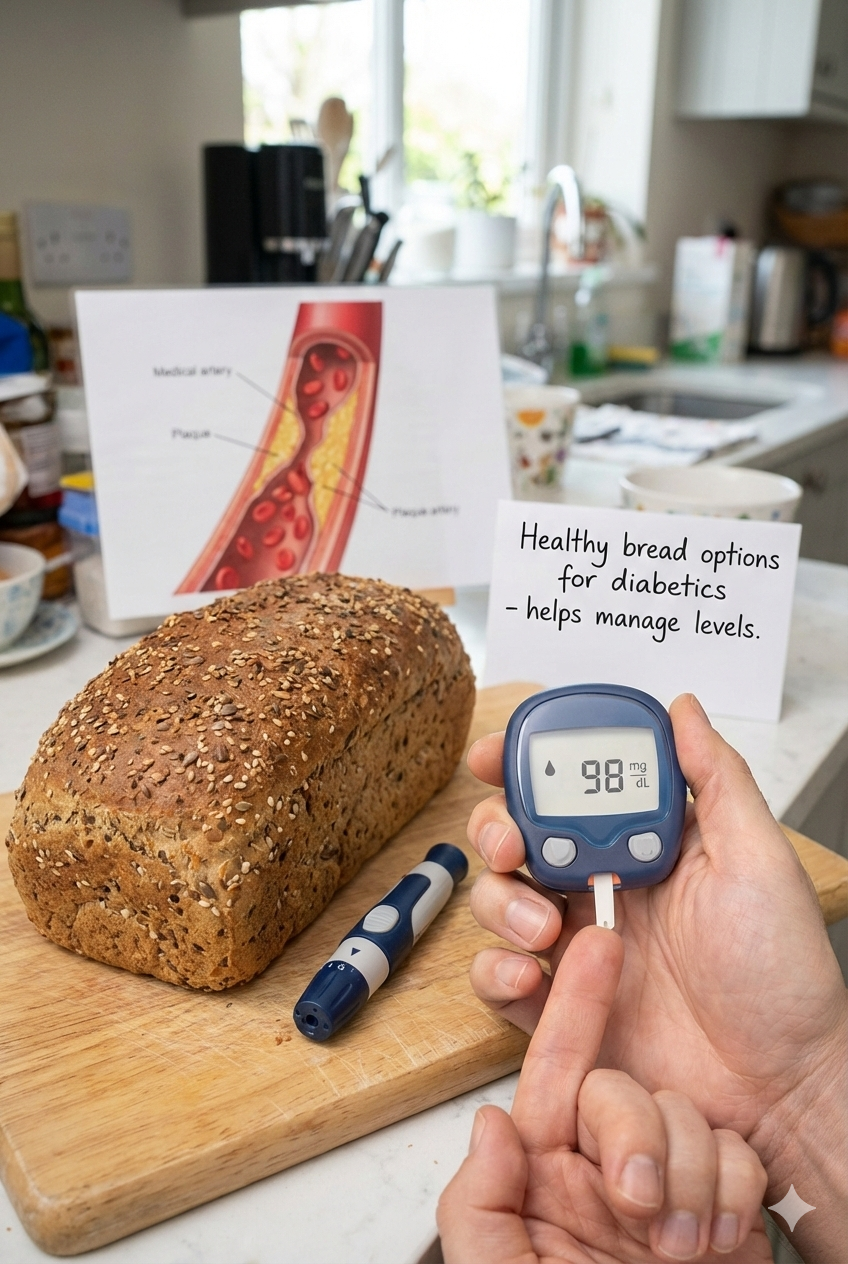
Living with diabetes or prediabetes often requires paying close attention to carbohydrate intake, especially from everyday foods like bread. Many people choose products labeled “whole wheat” expecting better blood sugar control, only to notice unexpected spikes that can lead to fatigue, increased hunger, or concern about long-term health. While these experiences are common, they don’t mean bread has to be completely off the table. Different types of bread can affect blood sugar in very different ways.
This guide explains how bread influences blood glucose and outlines characteristics that tend to support steadier responses. With informed choices and mindful portions, bread can still fit into a balanced eating pattern.
How Bread Affects Blood Sugar
Bread is a convenient source of carbohydrates, but its impact depends largely on how processed the grains are. Refined breads, such as white bread made from highly milled flour, are digested quickly and converted to glucose at a rapid rate. This can lead to noticeable rises in blood sugar shortly after eating.
In contrast, breads made with intact or minimally processed grains contain more fiber and a more complex structure. Fiber slows digestion and absorption, which can help moderate post-meal blood sugar changes and support a longer-lasting feeling of fullness.
Understanding the Glycemic Index
The glycemic index (GI) is a tool that ranks carbohydrate-containing foods based on how quickly they raise blood sugar compared with pure glucose. Foods with a lower GI generally lead to slower, more gradual increases.
Breads with a GI below about 55 typically contain higher amounts of fiber or whole grains. Choosing these options over refined white bread is commonly recommended by nutrition professionals for people managing blood sugar. However, GI is only one factor. Portion size, total carbohydrate content, and what the bread is eaten with all play important roles.
Why Individual Responses Matter
Blood sugar responses are highly individual. Two people can eat the same slice of bread and experience different results based on metabolism, activity level, gut health, and overall diet. Even the same person may respond differently on different days.
For this reason, monitoring your own blood sugar patterns and paying attention to how you feel after meals is essential. Pairing bread with protein, healthy fats, or high-fiber foods can also slow digestion and help reduce rapid glucose changes.
A Balanced Approach
Rather than focusing on a single “perfect” bread, it’s more practical to consider the overall meal and dietary pattern. Breads made with whole or sprouted grains, seeds, and higher fiber content are generally better choices, especially when eaten in moderate portions and combined with other nutrient-dense foods.
This article is for informational purposes only and is not a substitute for professional medical advice. Always consult a qualified healthcare provider or registered dietitian before making significant dietary changes, particularly if you have diabetes or use medications that affect blood sugar. Individual responses to foods vary, and ongoing monitoring with your healthcare team is important.