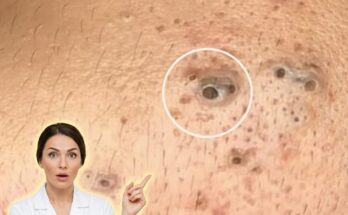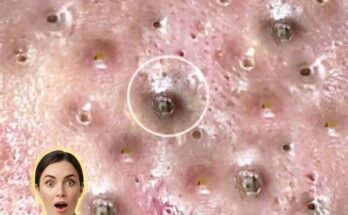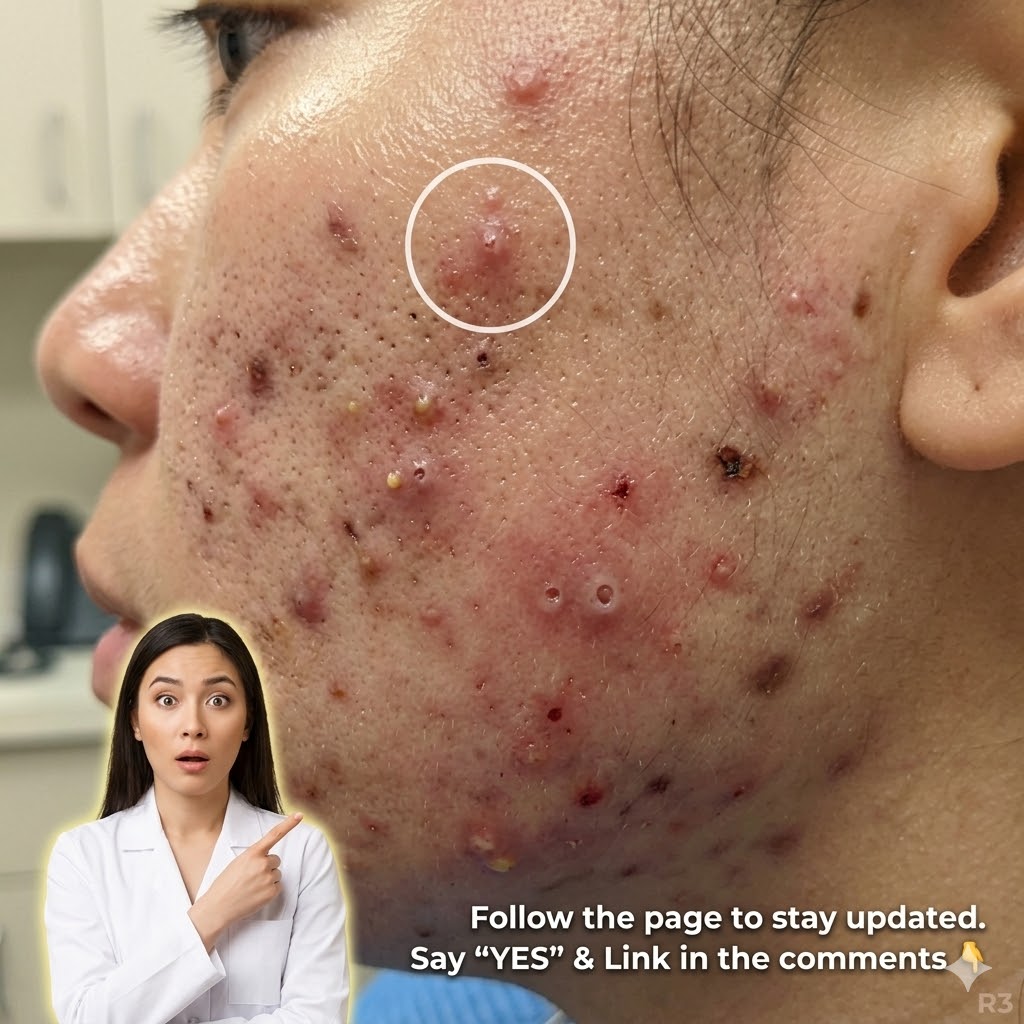
Acne develops at the intersection of multiple biological processes, beginning with the overproduction of sebum by hyperactive sebaceous glands and the abnormal shedding of follicular epithelial cells. This combination creates an environment within the pilosebaceous unit that favors the colonization of Cutibacterium acnes, a bacterium naturally present on human skin that becomes pathogenic under specific conditions. The resulting inflammatory cascade triggers the immune system to respond, producing the redness, swelling, and discomfort commonly associated with moderate to severe acne presentations.
Video 1
Acne develops at the intersection of multiple biological processes, beginning with the overproduction of sebum by hyperactive sebaceous glands and the abnormal shedding of follicular epithelial cells. This combination creates an environment within the pilosebaceous unit that favors the colonization of Cutibacterium acnes, a bacterium naturally present on human skin that becomes pathogenic under specific conditions. The resulting inflammatory cascade triggers the immune system to respond, producing the redness, swelling, and discomfort commonly associated with moderate to severe acne presentations.
Environmental factors often compound the biological predisposition to acne in ways that are not immediately obvious to those affected. Exposure to airborne particulate matter, frequent contact between hands and face, and the use of comedogenic cosmetic products can all contribute to pore occlusion and subsequent breakout activity. Additionally, geographic and climatic conditions such as high humidity or extreme cold can influence the skin’s lipid composition and barrier integrity, making some individuals more susceptible to acne flares during certain seasons or after relocating to different environments.
Video 2
Video 3
A well-structured skincare routine forms the foundation of effective acne management, but the specific components of that routine should be tailored to individual skin characteristics. Gentle, non-stripping cleansers help maintain the acid mantle without triggering compensatory oil production, while targeted treatments containing ingredients like azelaic acid or sulfur can address specific lesion types without causing widespread irritation. The inclusion of a lightweight, non-comedogenic moisturizer is equally important, as dehydrated skin can paradoxically increase sebum output and worsen acne symptoms over time.
When standard topical approaches prove insufficient, consulting a dermatologist opens access to a broader range of therapeutic options. Combination therapies that pair topical agents have demonstrated superior efficacy compared to single-ingredient approaches in various clinical contexts. For individuals whose acne appears linked to hormonal patterns, a dermatologist may explore additional options that address those underlying drivers. The appropriate course of any prescription therapy requires careful evaluation of the individual’s health history, and should always be guided by a qualified medical professional rather than self-directed.
Achieving and maintaining clear skin is a gradual process that benefits from both professional guidance and self-education. Understanding that acne treatments typically require eight to twelve weeks to show measurable improvement helps set appropriate expectations and prevents premature discontinuation of effective regimens. Documenting skin changes through periodic photographs can provide objective evidence of progress that might not be apparent in daily mirror assessments. Ultimately, a comprehensive approach that addresses biological, environmental, and behavioral factors offers the most reliable pathway to sustained acne control and improved skin confidence.
This article was generated with AI assistance and has not been individually reviewed by a medical professional. It is intended as a general educational resource.