
7 Subtle Signs of Lacunar Stroke Many Adults Over 60 May Miss
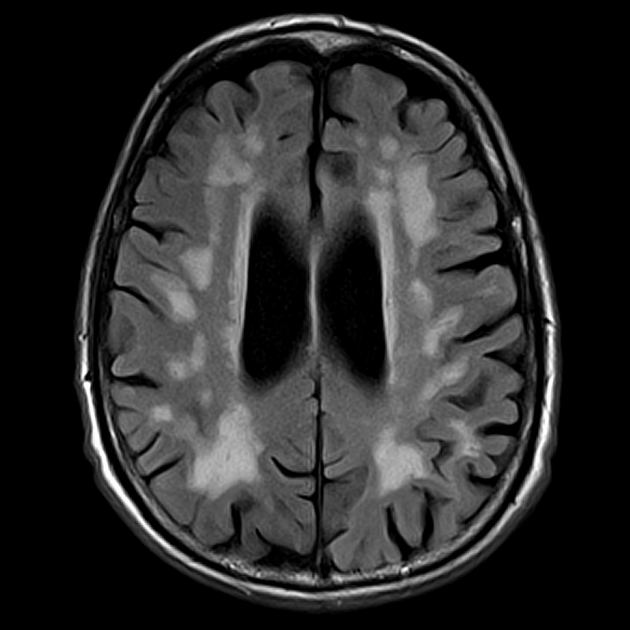
Lacunar strokes are a type of ischemic stroke caused by blockage in one of the brain’s small, deep blood vessels. They are more common in older adults, particularly those with long-standing high blood pressure or diabetes. Because the affected areas are small, symptoms can be mild or develop gradually, making them easy to overlook or attribute to normal aging.
Recognizing these early, subtle changes matters. Prompt medical evaluation can reduce the risk of further brain injury and improve long-term outcomes.
Understanding Lacunar Stroke in Simple Terms
A lacunar stroke affects deep structures of the brain responsible for movement, sensation, and coordination. Unlike larger strokes, it may not cause dramatic symptoms such as severe speech loss or facial drooping. Instead, changes are often quiet and progressive.


1. Mild Weakness on One Side of the Body
A common early sign is subtle weakness in an arm, leg, or hand on one side. This may show up as difficulty gripping objects, dragging a foot slightly, or feeling less steady when standing. Because the weakness is often mild, people may dismiss it as fatigue or joint problems.
2. Changes in Fine Motor Control
Tasks that require precision—buttoning clothes, writing, using utensils—may become noticeably harder. These changes can occur without pain and may fluctuate, which contributes to delayed attention.
3. Slight Slurring or Changes in Speech Clarity
Speech may sound less clear or slightly slurred, especially when tired. Unlike more severe strokes, comprehension often remains intact, so the change can go unnoticed by the person experiencing it.
4. Numbness or Altered Sensation
Some individuals notice tingling, reduced sensation, or an unusual “heavy” feeling on one side of the body. This may affect the face, arm, or leg and can come and go.
5. Subtle Balance or Coordination Problems
Unsteadiness while walking, frequent minor stumbles, or difficulty maintaining balance can be early indicators. These symptoms are sometimes mistaken for inner ear issues or age-related balance decline.
6. Slowed Thinking or Mild Cognitive Changes
Lacunar strokes can affect processing speed and attention. People may feel mentally slower, have trouble concentrating, or struggle with tasks that were previously routine, even though memory may seem mostly unchanged.
7. Unexplained Fatigue or Reduced Stamina
Persistent fatigue without a clear cause can accompany small vessel strokes. This fatigue is often disproportionate to activity levels and may persist despite adequate rest.
When to Seek Medical Attention
Any sudden or unexplained neurological change—especially weakness, speech changes, or loss of coordination—should be evaluated promptly by a healthcare professional. Even mild symptoms warrant attention, as early diagnosis can guide treatment and help prevent future strokes.
Key Takeaway
Lacunar strokes often present with quiet, easily missed signs. Paying attention to small but persistent changes in movement, sensation, speech, or thinking—particularly in adults over 60—can lead to earlier care and better long-term health outcomes.