In an era shaped by social media and viral trends, unusual aspects of human health often find their way into the public conversation. One such topic gaining unexpected attention is tonsil stones—small formations that, while medically routine, have become a point of fascination through widely shared online videos.
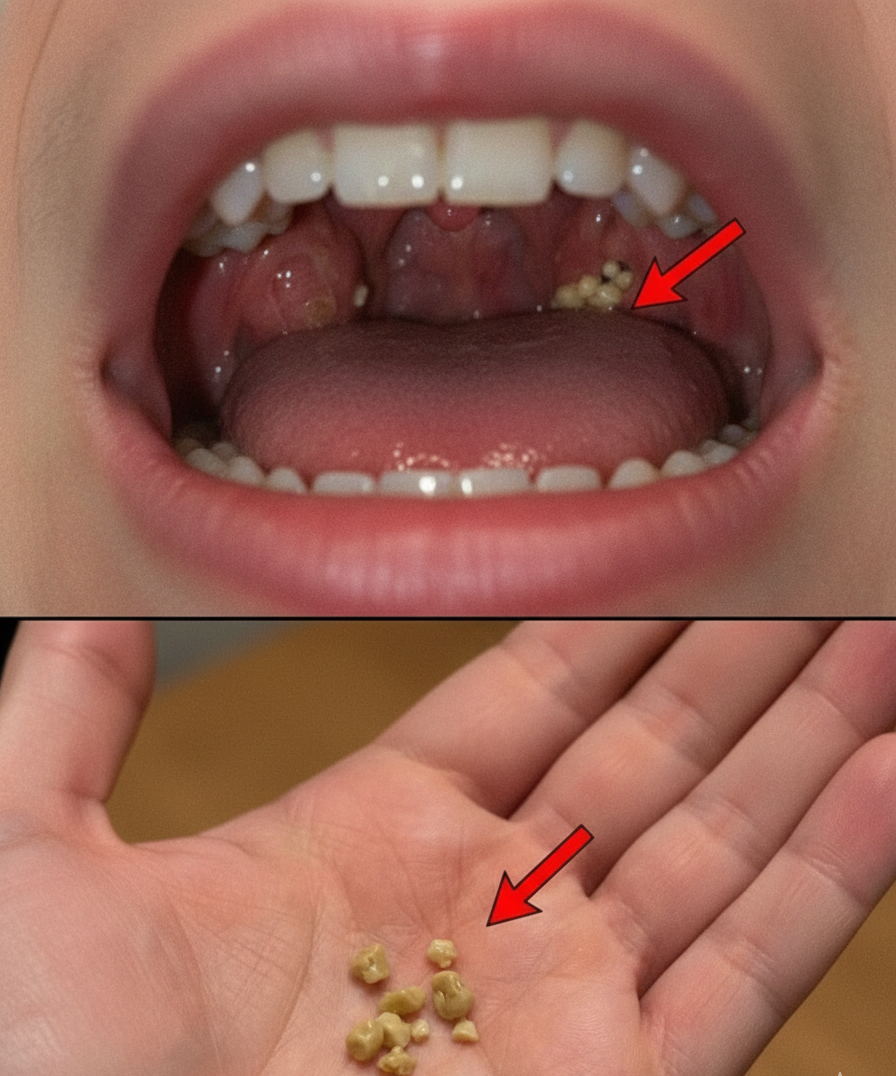
Tonsil stones, clinically known as tonsilloliths, develop when debris such as food particles, dead cells, and naturally occurring bacteria become trapped in the folds of the tonsils. Over time, this material can calcify, forming small white or yellowish deposits. Although they are not typically dangerous, tonsil stones can be uncomfortable and may contribute to symptoms like persistent bad breath, throat irritation, coughing, or referred ear pain.
Medical professionals generally consider tonsil stones to be a benign condition. According to Mayo Clinic, millions of people experience tonsil stones each year, though many remain unaware of them due to the absence of noticeable symptoms. In most cases, the stones are discovered incidentally during oral hygiene routines or medical exams.
Management is usually straightforward. Simple measures such as gargling with warm salt water, maintaining good oral hygiene, or gently dislodging the stones with a cotton swab can be effective. For individuals who experience recurrent or particularly bothersome symptoms, a healthcare provider may recommend specialized tools or, in rare cases, discuss further medical options.
While online videos showing tonsil stone removal have amplified public interest, they often emphasize shock value rather than education. For most people, understanding what tonsil stones are and how to manage them safely is far more useful than the viral spectacle. Clear information and proper care remain the best approach to addressing this common but often misunderstood condition.